
Trump Says He Doesn’t Know if Daily Aspirin Dose Works – What Experts Say - Newsweek
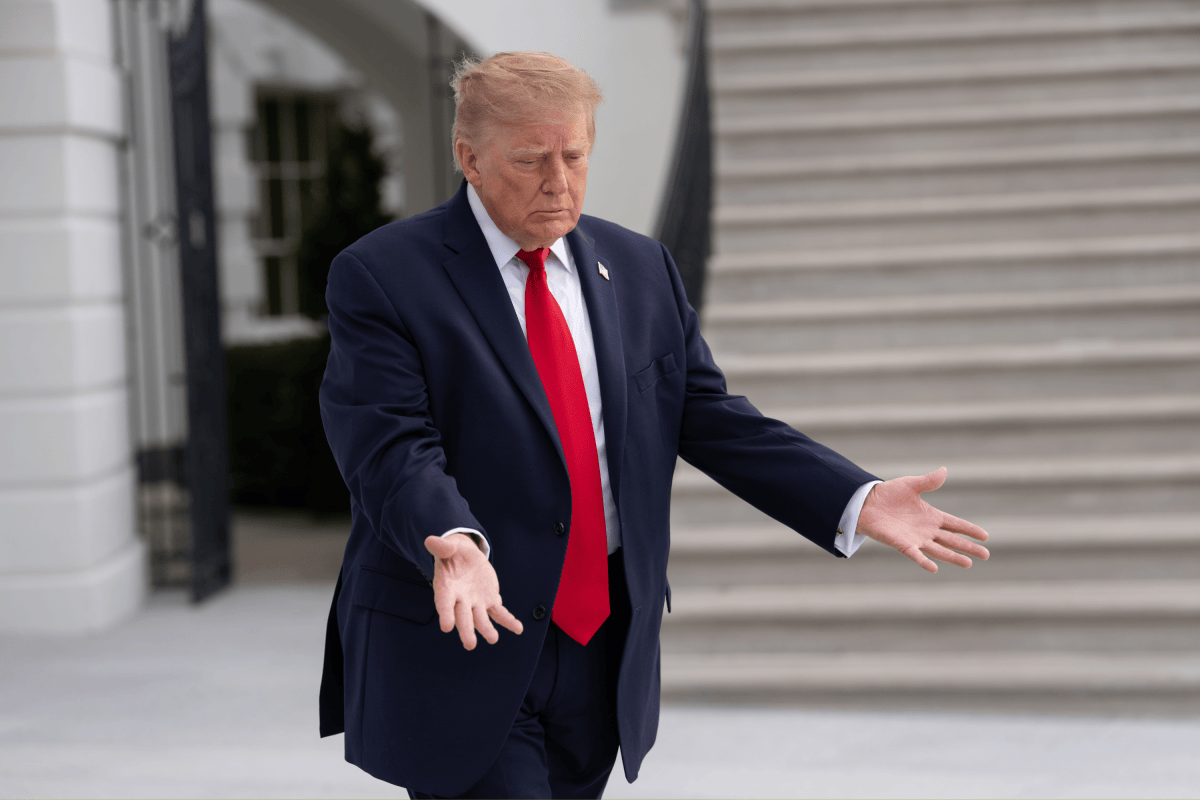
President Donald Trump has yet again defended his longstanding aspirin habit, telling reporters on Saturday that he takes it every day, even though he doesn’t know if it actually helps or not.
"I take an aspirin a day. I don't know if it works, but psychologically, I need it," Trump said. "I don't know if it works or not, but I've been doing it for a long time — and here I am."
The remarks are the latest in a series of comments Trump has made about taking aspirin, an issue that drew public attention after bruising appeared on his hands, prompting questions about his health and medication regimen.
Trump, 80, has discussed his aspirin use several times over the past year.
In interviews with The Wall Street Journal (WSJ), he and his doctors have openly said he takes a full 325-milligram aspirin every day. This dose is significantly higher than the recommended 81-milligram "low-dose" aspirin prescribed for some heart patients.
Explaining his reasoning to the WSJ in January, Trump said: "They say aspirin is good for thinning out the blood, and I don't want thick blood pouring through my heart. I want nice, thin blood pouring through my heart."
He also acknowledged that doctors would prefer him to take a lower dose but said he’s continued with the larger dose because he’s been taking it for decades — roughly 25 years — and is “a little superstitious.”
Trump has previously linked the medication to bruising visible on his hands, saying the aspirin makes him bruise more easily, and admitting to using makeup to cover the marks, saying: “I have makeup that’s, you know, easy to put on, takes about 10 seconds.”
Trump's physician, Dr. Sean Barbabella, confirmed to the WSJ that the president takes 325 milligrams of aspirin daily for what he described as “cardiac prevention.”
The White House has repeatedly cited aspirin use when addressing questions about the bruising on Trump's hands. Earlier this year, Press Secretary Karoline Leavitt told reporters that the marks were consistent with frequent handshaking and that his aspirin use was part of a cardiovascular prevention regimen.
Barbabella has maintained that Trump's overall health remains strong. In statements cited by multiple outlets, he said medical evaluations showed "excellent metabolic health" and that Trump's cardiovascular health tested significantly younger than his chronological age.
Aspirin works by thinning the blood and reducing the ability of blood platelets to stick together and form clots. This can help prevent heart attacks and strokes in some patients but can also increase the risk of bleeding in others.
In recent years, medical guidance has shifted away from recommending daily aspirin for many older adults who have not already experienced cardiovascular disease. The U.S. Preventive Services Task Force recommends against taking daily aspirin to prevent a first heart attack or stroke in adults 60 and older because the risk of bleeding often outweighs the benefits.
The Mayo Clinic similarly advises that daily aspirin therapy is not appropriate for everyone and warns that taking aspirin every day can lead to serious side effects, including gastrointestinal bleeding. The organization says the benefits are well established for "secondary prevention" in people who have already had a heart attack or stroke, but the benefit is more debated for people trying to prevent a first cardiovascular event.
Trump's comments come as questions over his health continue to attract scrutiny because of his age and status as the oldest person inaugurated as U.S. president.
For many Americans, the key takeaway is that aspirin isn’t a one-size-fits-all preventive medicine. Whether to take daily aspirin, and at what dose, depends on an individual's medical history, cardiovascular risk, and bleeding risk.
Newsweek has reached out to the White House for comment.
Newsweek’s reporters and editors used Martyn, our AI assistant, to produce this story. Learn more about Martyn here.
Contact Newsweek editors on this story: Tobias Meyjes and Cristina Diciu.


