Trump-Xi summit heavy on ceremony, light on breakthroughs
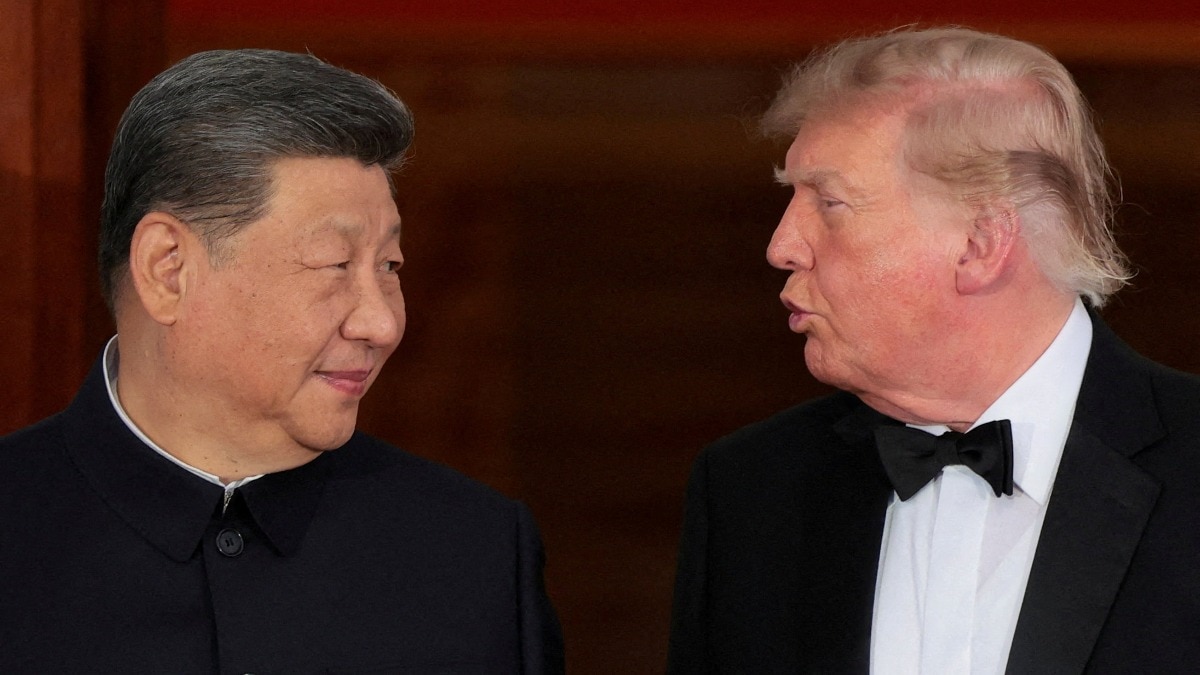
US President Donald Trump rolled out the ceremonial welcome mat for Chinese President Xi Jinping on Thursday, but behind the pageantry, the two leaders offered few signs of major breakthroughs on the issues driving tensions between the world's two biggest economies.
Trump and Xi met at the White House for talks covering trade, artificial intelligence, Taiwan and the wider strategic rivalry between Washington and Beijing. Xi also urged Trump to oppose Taiwan independence, while calling for greater military communication and cooperation on AI.
The summit, Xi's first visit to Washington in more than a decade, was the second meeting between the two leaders this year. It came after months of efforts to stabilize relations following a trade confrontation that pushed both sides to impose sweeping tariffs and restrictions.
While the two governments agreed this week to extend their trade truce, major differences over tariffs, rare-earth minerals, technology controls, Taiwan and AI remained unresolved.
Taiwan was among the most sensitive issues on the agenda.
During their bilateral meeting, Xi urged the United States to oppose "Taiwan independence", according to China's official Xinhua news agency. He also called on Washington to handle the Taiwan issue with "prudence".
China claims democratically governed Taiwan as part of its territory and has never renounced the use of force to bring the island under its control.
Trump had said after his May visit to China that he was holding in abeyance a roughly $14 billion arms package for Taiwan, describing it as a "very good negotiating chip". The move had raised concerns among some US allies and Republicans that Washington's security commitments to Taipei could become part of broader economic negotiations.
There was no immediate detailed White House readout of the exchange on Taiwan.TRADE TRUCE EXTENDED, BUT TENSIONS REMAIN
The clearest tangible outcome was an extension of the existing US-China trade truce, which had been due to expire later this year.
US Treasury Secretary Scott Bessent said the two sides had agreed to extend the arrangement until January 10, giving Washington and Beijing additional time to negotiate their economic differences.
The extension, however, leaves the central disputes unresolved, including tariffs, Chinese purchases of US goods, rare-earth supplies and technology restrictions.
Bessent said Beijing was meeting its commitment to buy 25 million tonnes of US soybeans but was behind on a separate pledge to purchase $17 billion worth of other US agricultural products. US officials have also said China's rare-earth deliveries were falling short of expectations.
For businesses, the extension provides some temporary stability but leaves the broader trading relationship subject to further negotiations.TRUMP TOUTS FRIENDSHIP, XI STRESSES NATIONAL INTERESTS
Trump struck a notably warm tone as he welcomed Xi, emphasizing their personal relationship rather than publicly dwelling on their disagreements.
Trump described his relationship with Xi as a "truly great friendship" and said the two countries had made progress on trade since his May trip to China.
"During this visit, we will also discuss pressing issues concerning security, technology, and 'super intelligence,'" Trump said, using his preferred term for artificial intelligence.
Xi adopted a more measured tone, saying the interests of the two countries were deeply intertwined and that competition between them should be "healthy".
He also said Chinese companies hoped to be treated fairly in the United States, while calling for regular communication between the two militaries to help prevent crises.
Edgard Kagan, a former senior White House official for East Asia who is now with the Center for Strategic and International Studies, said the contrast reflected the different approaches of the two leaders.
"The president is casting it very much as about his personal relationship with Xi," Kagan said. "What I found interesting was Xi is being much more cautious and suggesting that it's less about the personal relationship than the national relationship."advertisementAI EXPOSES ANOTHER US-CHINA DIVIDEArtificial intelligence was another major subject, but the two leaders appeared to approach the issue differently.
Trump said in a Truth Social post that "super intelligence" would be a major topic but indicated he did not want new regulations.
"Super Intelligence (SI) will be a big topic of discussion, but I want to leave it exactly where it is," Trump wrote, adding that this was also China's position.
Xi, however, called for greater oversight of AI.
The Chinese leader said the two countries had both the capability and responsibility to develop AI for the benefit of humanity and to ensure that its development remained "under human control".
The differences come as Washington and Beijing compete aggressively for dominance in advanced AI, semiconductors and other strategic technologies. US officials are expected to maintain restrictions on the sale of some high-end technology to China despite Beijing's push for looser controls.SPECTACLE TAKES CENTRE STAGE
For Trump, the summit was also an opportunity to showcase the grandeur of a state visit.
He greeted Xi on Wednesday evening with a red-carpet welcome at Joint Base Andrews. On Thursday, the leaders took part in a military ceremony and flyover at the White House before holding their closed-door meeting.
Trump later showed Xi the new helipad on the White House's South Lawn.
"He loves good granite," Trump told reporters, adding that the two men had a "great meeting" without providing details.
The ceremony contrasted with the limited public information emerging from the substantive talks. US television networks also declined to carry the leaders' remarks live amid a dispute over White House restrictions on access for CNN, MS NOW and Politico.IRAN ADDS ANOTHER LAYER OF TENSION
The summit also took place against the backdrop of the US war with Iran, another issue where Washington and Beijing have sharply different positions.
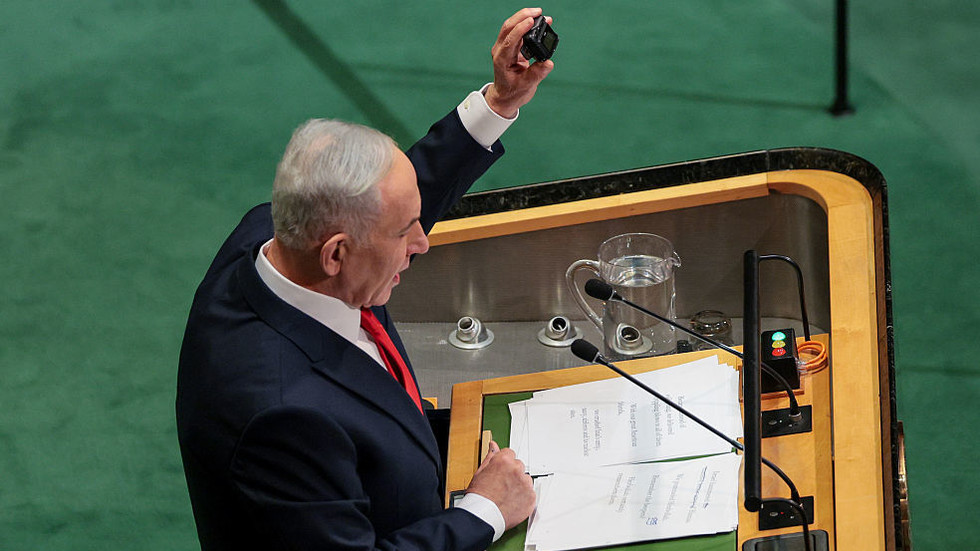
Trump had forcefully defended his use of military power in a speech at the United Nations earlier in the week, saying he could "annihilate" Iran. His more conciliatory tone toward Xi reflected the importance Washington places on maintaining stable relations with Beijing.
Xi expressed support for the United States and Iran returning to a ceasefire and eventually negotiating a peace agreement, according to Xinhua.
There has been little indication that Beijing is prepared to use its relationship with Tehran to press Iran to accept US demands.advertisementDEMOCRATS CRITICISE SUMMITThe summit also drew criticism in Washington. At least 19 Senate Democrats called on Trump to deliver more than $15 billion in security assistance already approved for Taiwan, including $1.3 billion in funds and the $14 billion arms package.
They also criticized what they described as a loosening of restrictions on high-end chip sales to China and said extending the tariff truce did not adequately address supply-chain concerns surrounding China's dominance of rare-earth processing.
"We will compete successfully with China only through sustained investment in our own strengths, close coordination with allies, and an unwavering defense of our democratic values," the Democrats said in a statement.
For both Trump and Xi, keeping relations stable offers immediate benefits. Trump is dealing with the economic and geopolitical pressures of the Iran war, while Xi faces domestic economic challenges. But beneath the carefully managed display of friendship, disputes over Taiwan, technology, trade, rare earths and Iran remain unresolved.- EndsWith inputs from Reuters