Trump-Xi White House talks extend trade truce as AI, Taiwan tensions loom

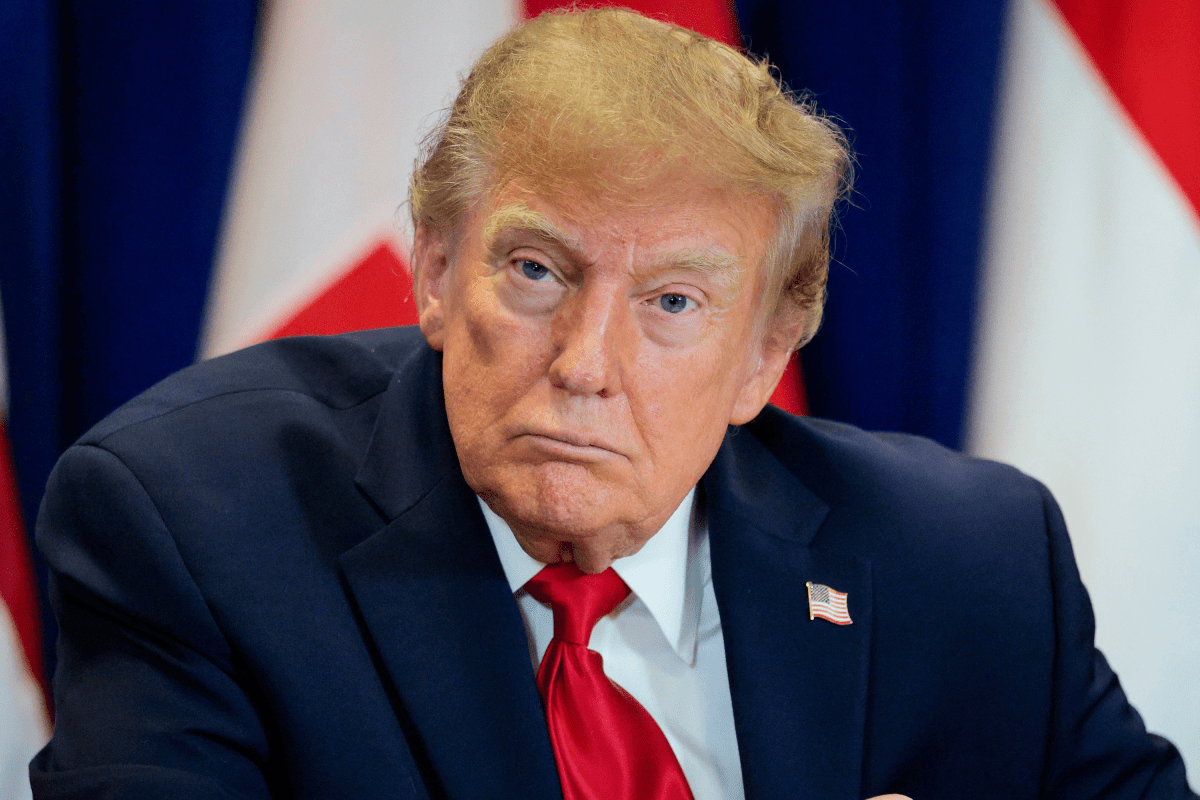
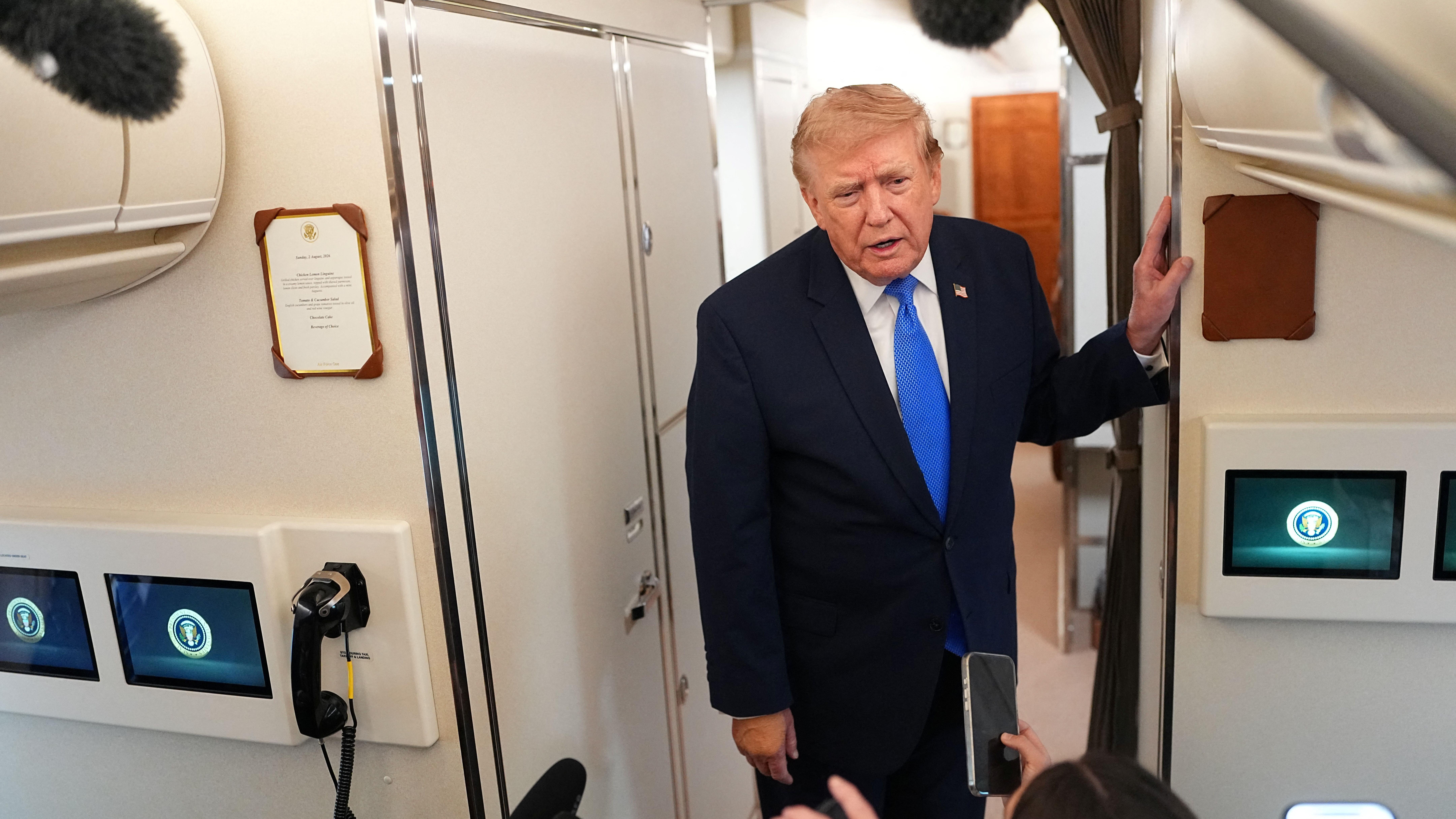
US President Donald Trump and Chinese President Xi Jinping are set to hold talks at the White House on Thursday, with trade, artificial intelligence, Iran and Taiwan expected to dominate the meeting. On Wednesday, the two sides agreed to extend by two months a one-year trade truce that had been due to expire on November 10, even as both governments continue to push for a more durable arrangement.
The meeting comes at a time when both leaders appear to believe that time favours their own side in what is likely to remain the world’s most important economic and national security rivalry for years. China has resisted pressure from the Trump administration to use its influence with Iran to accept US terms to end the nearly seven-month war, while Xi is expected to press Trump to permanently halt US arms sales to Taiwan and ease export curbs on advanced chips.
Edgard Kagan, a former US ambassador to Malaysia who is now at the Centre for Strategic and International Studies in Washington, said, "The president very much believes that over time the US economy is going to grow, the US will get stronger, the US will keep making advances in AI and on technology, and that ... the US will develop alternative sources of critical minerals and rare earths." He added, "I think when Xi Jinping sits down with Donald Trump, he very much believes the US is in hurtling decline and that time is on China’s side." Trump said in a social media post on Thursday that artificial intelligence, which he is trying to rebrand as "superintelligence", would be high on the agenda amid growing fears that the technology could destroy jobs or even wipe out humanity. "I want to leave it exactly where it is," Trump wrote. "That is China’s position also." Treasury Secretary Scott Bessent said the two leaders could be open to a new "notification mechanism" for AI incidents that could affect national security, though it remains unclear whether they can make progress on this and other difficult issues.
Trump has also sought to underline the significance of Xi’s visit. Construction of a new helicopter landing pad on the White House South Lawn was completed before the visit, and Trump met Xi and his wife, Peng Liyuan, on Wednesday evening after they arrived at Joint Base Andrews outside Washington. Trump has said he regrets that his planned White House ballroom is not ready for the state dinner in Xi’s honour on Thursday evening. The black-tie dinner will instead be held in the East Room, with dcor that, according to First Lady Melania Trump, "draws on the colour red’s longstanding cultural significance throughout Chinese history". Dinner will begin with a toast honouring the historic "Toast to Peace" between President Richard Nixon and Chinese Premier Zhou Enlai in Beijing in 1972. The guest list includes Amazon’s Jeff Bezos, Nvidia’s Jensen Huang and Meta’s Mark Zuckerberg, among other technology leaders weighing in on whether stronger safeguards are needed in the race to develop artificial intelligence.
On trade, Bessent said shortly after Xi’s arrival that the two sides had agreed to extend the truce first reached last year in South Korea, and that Trump and Xi could either strike a broader agreement by January or choose to extend it again. Both leaders have strong reasons to keep the truce in place. Trump’s Republican Party faces political headwinds as it tries to retain control of Congress in the November midterm elections, while Xi is dealing with an uneven Chinese economy in which domestic demand is weak even as high-tech exports remain strong. Peak baseline US tariffs had reached 145 per cent during last year’s trade battle, with China responding with levies of 125 per cent. After Trump and Xi met in South Korea last year, the average US tariff rate dropped to about 47 per cent, while China’s average rate was in the mid-30s. In February, however, the US Supreme Court struck down many of Trump’s tariffs, creating wider variation in duties on Chinese goods. The latest stopgap is shorter than both sides had indicated in recent weeks. China had wanted the truce extended until the end of Trump’s term in January 2029, while Trump administration officials had suggested a three- to six-month extension, saying China had been slow to meet past commitments on rare earth exports and imports of US soyabeans and aircraft.
A breakthrough on Iran appears unlikely. Trump has argued, with little effect, that China’s heavy dependence on Gulf oil gives it strong reason to use its leverage with Tehran to help end the conflict. Beijing, however, has been disturbed by the war, condemning US and Israeli military action, while Xi has warned that the conflict suggests a return to what he called the "law of the jungle". Chinese officials were also unsettled by Trump’s military operation to remove Venezuelan President Nicols Maduro from power and bring him to New York to face federal narcoterrorism and drug trafficking charges. Jake Werner, director of the East Asia Programme at the Quincy Institute, said, "China is very nervous about the kind of 19th-century imperialist cast of geopolitics that Trump has been pursuing." He added, "But at the same time, Beijing really sees the US-China relationship as the decisive factor. They don’t want to move in a way that’s going to blow up the US relationship."
Taiwan is also expected to be high on the agenda, with Beijing treating it as the most sensitive issue in the relationship. China regards Taiwan as its territory and has vowed to annex the island by force if necessary, while US law requires Washington to provide Taiwan with enough military hardware to deter an attack from the mainland. China has repeatedly asked the US to permanently stop such arms sales, including during the Trump-Xi meeting in Beijing in May. After that meeting, Trump said he was delaying final approval of a record USD 14 billion arms package and described arms sales to Taiwan as a "very good negotiating chip" with China. Analysts say Trump may be inclined to keep that pause in place at least until the end of the year, as he wants Xi to attend the Group of 20 summit in December at his resort in Doral, Florida, while Xi wants Trump to attend the Asia-Pacific Economic Cooperation summit in Shenzhen in November. As the two leaders meet, trade tensions, security disputes and disagreements over regional conflicts remain unresolved, even as both sides look for ways to keep the relationship stable.