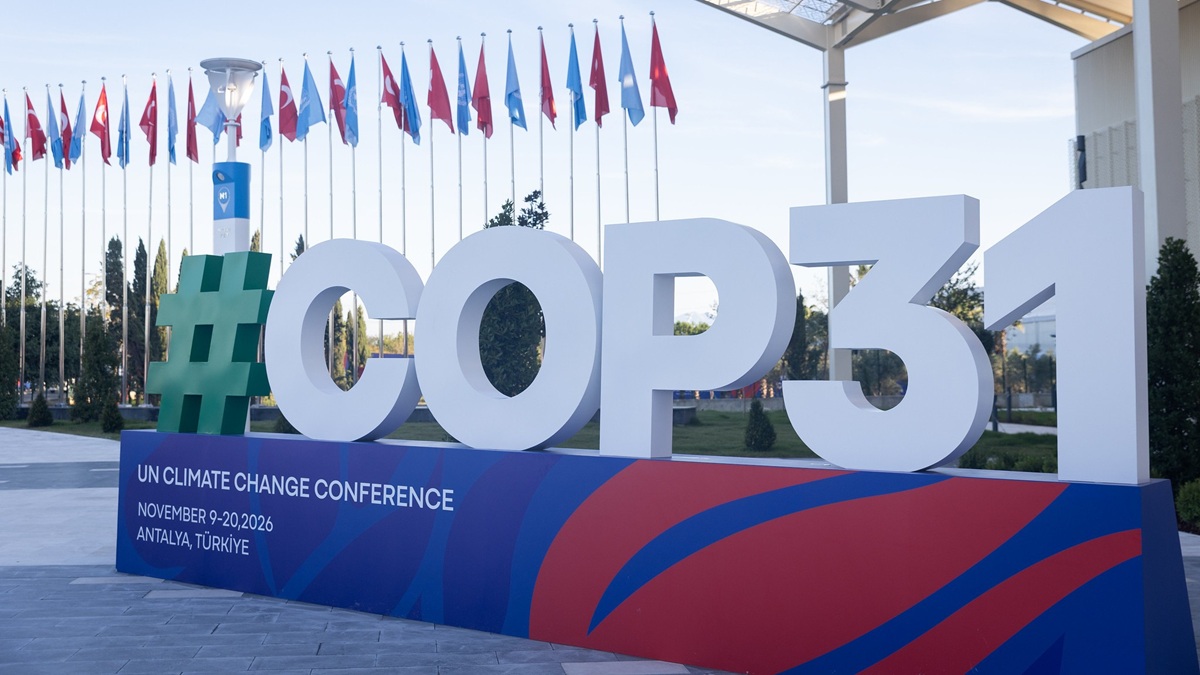
Uganda minister at COP31: 'We need a just transition'
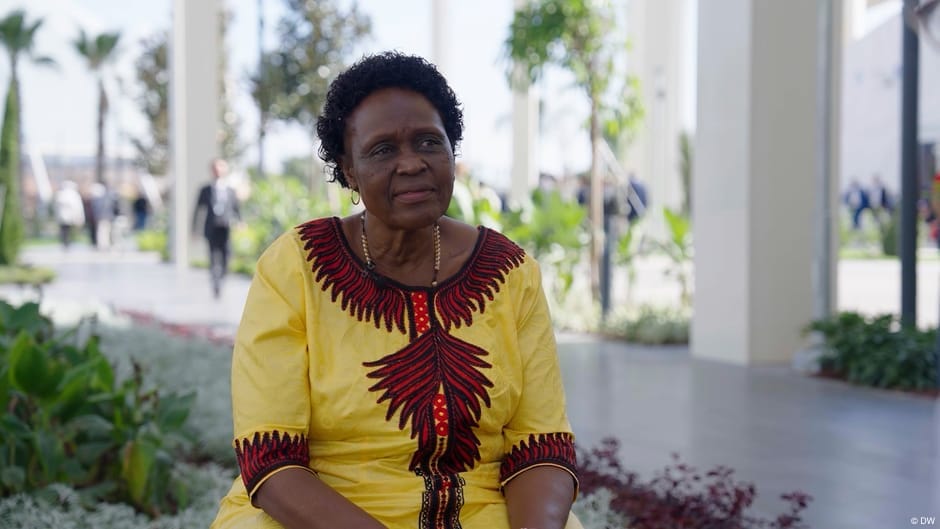
'We are here begging for funds that are not forthcoming,' Beatrice Atim Anywar, Uganda's environment minister, told DWImage: DWAdvertisementUgandan Environment Minister Beatrice Atim Anywar has come to the UN climate talks in Antalya, Turkey, seeking to secure more funding for her country as it grapples with climate change.
"This is a thing we are living with," she told DW on the sidelines of the COP31 summit, where she's leading the Ugandan delegation. "People are displaced, people are dying of harm, hunger. It has implications on food security and livelihoods."
In recent years, the East African nation has been hit by a series of climate-related disasters, from deadly landslides and floods washing away villages, to droughts damaging harvests and hydroelectricity production.
"When we come to COP and we talk of what the reality is on the ground, we Ugandans have suffered it," Anywar said, referring to the effects of climate change.
"It has an implication for the health of our people, on national budgets," she added.
Climate financing for developing countries to deal with the impacts of a warming planet has become a major sticking point at this year's climate talks. The gathering of some 200 states is seeking to close gaps on how to scale up financing from developed states and whether support should be provided through grants or loans.
Africa contributes less than 4% of the global greenhouse emissions that drive rising temperatures globally, but the continent is among the most vulnerable to climate impacts.
As it deals with the affects of climate change, including extreme weather, Uganda is also rapidly expanding investment in electricity production from renewables such as hydropower and solar.
In the country of some 53 million people, more than 90% of Ugandan households still rely on wood and charcoal as the most affordable fuel for things like cooking. Biomass accounts for 90% of the country's final energy consumption.
While using wood and charcoal leads to deforestation, Ugandans have little choice. Only around 2% of the country's energy comes from electricity — which is largely derived from hydropower — and less than half of the population has access to electricity.
"Now we are deliberately going into scaling up the production of electricity — hydropower electricity — and making it cheaper for cooking," Anywar said. "We have other alternative energy sources... to mitigate this charcoal use. But the use needs to be phased out in a systematic manner by giving them alternatives."
At the same time, the country is seeking to boost economic development by becoming an oil producer. Due to open in 2027, a controversial 1,443-kilometer (897-mile) pipeline is nearly complete. It connects two oil sites in eastern Uganda with a port on the Tanzanian coast.
Environmentalists have criticized the East African Crude Oil Pipeline project, which can transport up to 246,000 barrels per day. Environmentalists say it runs counter to the goal of limiting global temperature rise and could damage fragile ecosystems.
The Climate Accountability Institute said it would release 379 million tons of climate-heating pollution over its 20-year lifetime.
Oil wells for the project, operated by French energy giant TotalEnergies, are also located in Uganda's largest and oldest national park, Murchison Falls.
"That has been also a sticky issue. And actually, that is one of the challenges we are facing at COPs," Anywar said. She stressed that measures have been taken to limit emissions, and that the project was progressing in a "very deliberate way."
The minister also urged developed countries to cut less wealthy nations some slack for using the resources they have to drive much-needed development, saying oil revenues could help fund the transition to cleaner energy.
"You cannot tell us to cut off the umbilical cord that feeds us, as much as it has to be cut off," Anywar said, criticizing the lack of financing from developed countries to deal with climate change. "We are here begging for funds that are not forthcoming."
Anywar added that developing countries "need a just transition," referring to an equitable shift away from fossil fuels that focuses on protecting workers and communities.
Another way Uganda is looking to finance climate change adaptation is through carbon credits, Anywar said, describing them as a potential "breakthrough."
Carbon credits are tradeable permits representing one ton of carbon dioxide that has been reduced or removed from the atmosphere through initiatives such as forest protection, renewable energy projects or tree planting schemes. Companies or governments can buy them to offset emissions they have not cut themselves.
"Our country is rich with biodiversity. And that is what we are looking forward to — attracting investors into our natural setup so that we earn some finances," Anywar said.
Carbon credits have been promoted as an important source of income for developing countries. But they have also faced criticism, for a lack of transparency and allowing polluting activities to continue.
"We need to have a bankable approach to all interventions. Otherwise… it's not going to work for us," Anywar said, adding that her country also wants to attract investment and build partnerships in smart agriculture and the energy transition.
"If we rely on begging for funds which are not forthcoming, we shall go back empty handed."
This interview also appeared as a video.