UK Thinks Iran Linked to Plot on US Base, Defends Suspects’ Bail
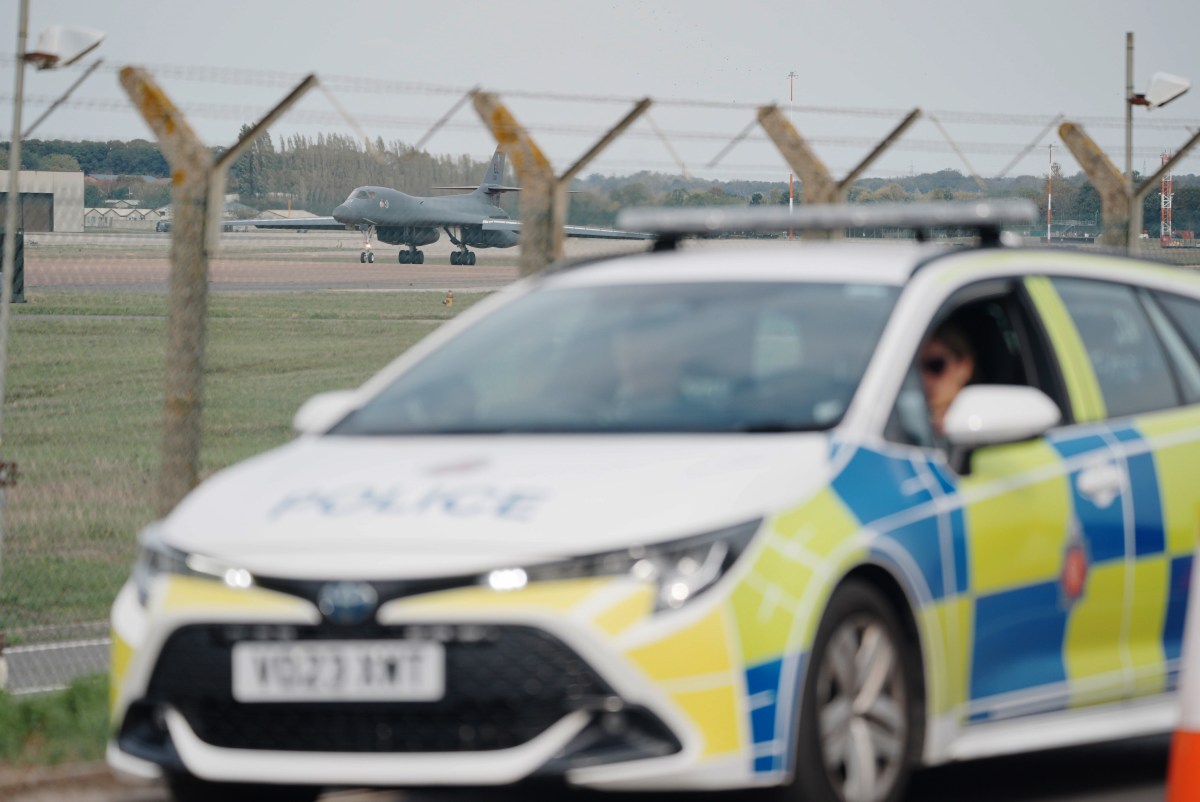
The United Kingdom believes Iran played a role in an incident near the United States-run Royal Air Force (RAF) Fairford base, Prime Minister Andy Burnham said Wednesday.
“There are strong indications that Iran played a part in what happened over the weekend at RAF Fairford,” Burnham told the BBC, without providing any details. He said Britain was working closely with the United States and would provide more information “in due course.”
Burnham also defended releasing five suspects on bail, a decision that has drawn public criticism from President Donald Trump and senior U.S. officials.
The five men, all U.K. nationals aged between 23 and 25, were arrested in the early hours of Sunday after police were alerted to three suspicious vehicles in Whelford, a village directly east of the Gloucestershire base.
Police established a 400-meter (437-yard) cordon around the area and searched the vehicles. They said a quantity of gasoline was recovered, but no explosive devices were found. One of the five men had also called the police himself before the group was arrested, investigators said.
RAF Fairford is a British base the U.S. Air Force has used for decades. It recently supported American operations involving Iran.
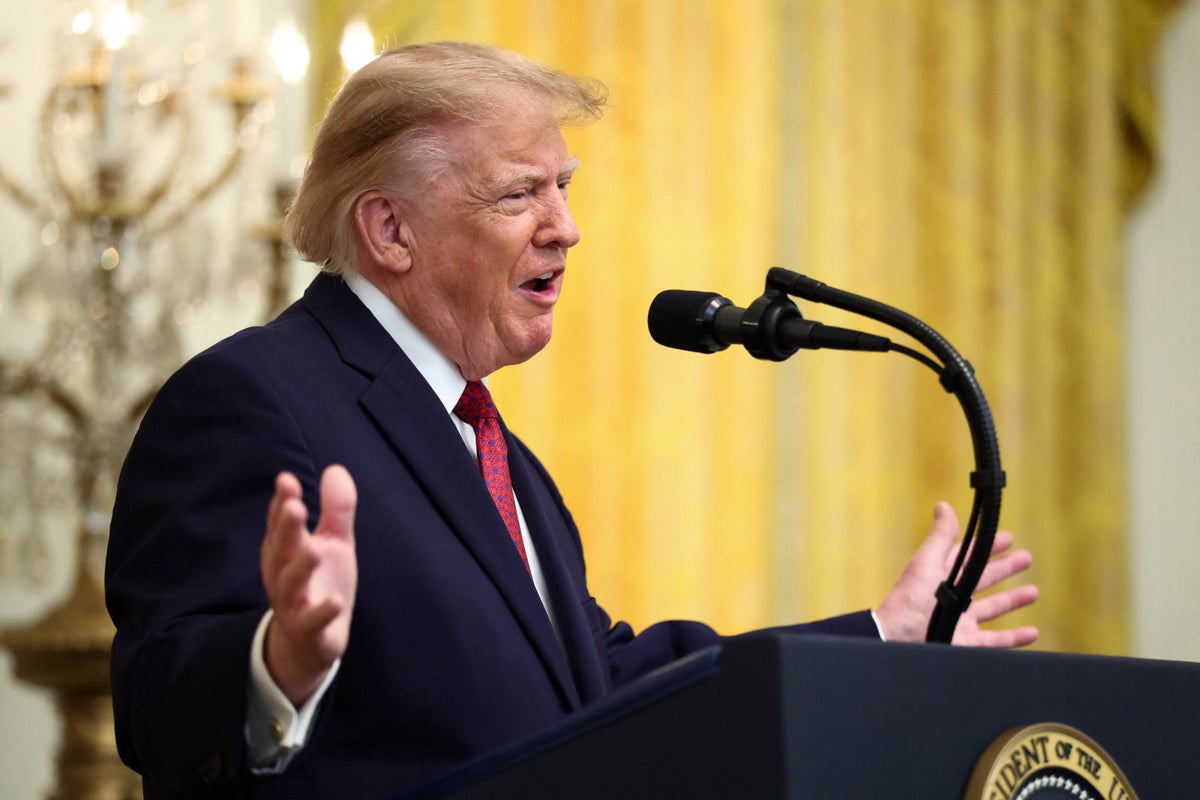
Trump said he disagreed with the U.K.'s decision to grant bail, saying he would not have released the suspects.
“I will tell you, I would have said, ‘don’t let them have bail.' I’m surprised that they released them. I wouldn’t have done that,” Trump said at the White House on Monday.
The president had previously described the arrests as a major security success. On Sunday, he said the men were believed to be planning to cause “big damage” at the base and said British and American authorities had been monitoring them.
“We had them under view for a long time and we got them,” Trump said.
Trump's comments put the British handling of the case under unusual scrutiny from Washington, although the suspects have not been charged and police say the investigation is continuing.
Secretary of State Marco Rubio also raised questions about the incident, saying it “clearly involves the hands of a foreign actor.”
Burnham defended the British approach, saying the suspects were subject to the “strictest possible bail conditions."
“The authorities have this under the strongest grip and closest control, and I can assure you of that,” he said.
He said British officials had been in contact with their U.S. counterparts throughout the week to explain how they were handling the investigation.
Iran has rejected any suggestion that it was behind the incident. The Iranian embassy in London said it “categorically rejects and strongly condemns” what it described as “unfounded and malicious speculations” linking Iran to the case.
The British government has not publicly explained what intelligence or evidence led it to conclude that Iran may have been involved.
The allegation comes against the backdrop of escalating tensions between Tehran and Washington. The U.S. Air Force has used RAF Fairford as a forward operating location, including for bomber operations connected to the Middle East.
Iran said in July that any base used for aggression against Iranian territory would constitute a legitimate target for its forces.
Police were called after reports of three suspicious vans in Whelford, close to RAF Fairford. Specialist officers later searched the vehicles, with bomb-disposal teams deployed as a precaution. No explosive devices were found, although gasoline was recovered.
Police said the incident remains under investigation and that they have not charged the five suspects, who were released on bail. They said they have already searched the suspects' homes.
Authorities have not publicly established what the suspects intended to do, whether RAF Fairford itself was the intended target, or how any alleged Iranian involvement may have operated.
Burnham said the investigation remained “ongoing, complex and serious” and that Britain was working closely with the United States.
The allegation comes at a particularly tense moment in relations between Iran and both Britain and the United States.
The U.S. and Iran remain locked in a conflict that has involved American military operations against Iranian targets and Iranian attacks and threats against U.S. and allied interests. U.S. bombers have used RAF Fairford for operations involving Iran.
Iran previously warned that military bases used to attack Iranian territory could be considered legitimate targets. Tehran has nevertheless rejected the British government's allegation that it was involved in the Fairford incident.
Earlier this year, the British government authorized U.S. use of U.K. bases for what it described as specific and limited defensive operations against Iranian missile facilities and other threats. British officials have maintained that the arrangements were intended to protect regional allies and shipping, not to make Britain a full participant in the wider war against Iran.
However, Britain has recently accused Iranian-linked groups of involvement in threats and attacks inside the U.K., including incidents involving the British Jewish community. Iran has denied using proxies for such activity.
Last week, British Foreign Secretary Ed Miliband warned Iran that Britain would not tolerate “intimidation, threats or hostile activity” on British soil by groups linked to Tehran. The warning came during a meeting with Iranian Foreign Minister Abbas Araqchi at the United Nations, where the two also discussed the Middle East conflict and efforts to reopen the Strait of Hormuz.
Meanwhile, diplomatic efforts between Washington and Tehran continue despite the military confrontation.
RAF Fairford, roughly 100 miles west of London, is a forward operating location for American long-range bombers. Its long runway and infrastructure make it particularly suitable for aircraft such as the B-1 and B-52.
The base has played a role in previous U.S. military campaigns, including operations connected to the Gulf War and the 2003 Iraq War. Its location in Britain gives the U.S. Air Force a staging point for long-range missions while reducing the distance aircraft must travel from the continental United States.
Anti-war demonstrations have taken place around the installation, while British and American authorities have increased security around U.S.-used military sites amid concerns about possible retaliation or sabotage.
Contact Newsweek editors on this story: Jason Lemon and Sam Wilson.