UN warns of reversal as gender equality institutions lose power - The Guardian Nigeria News
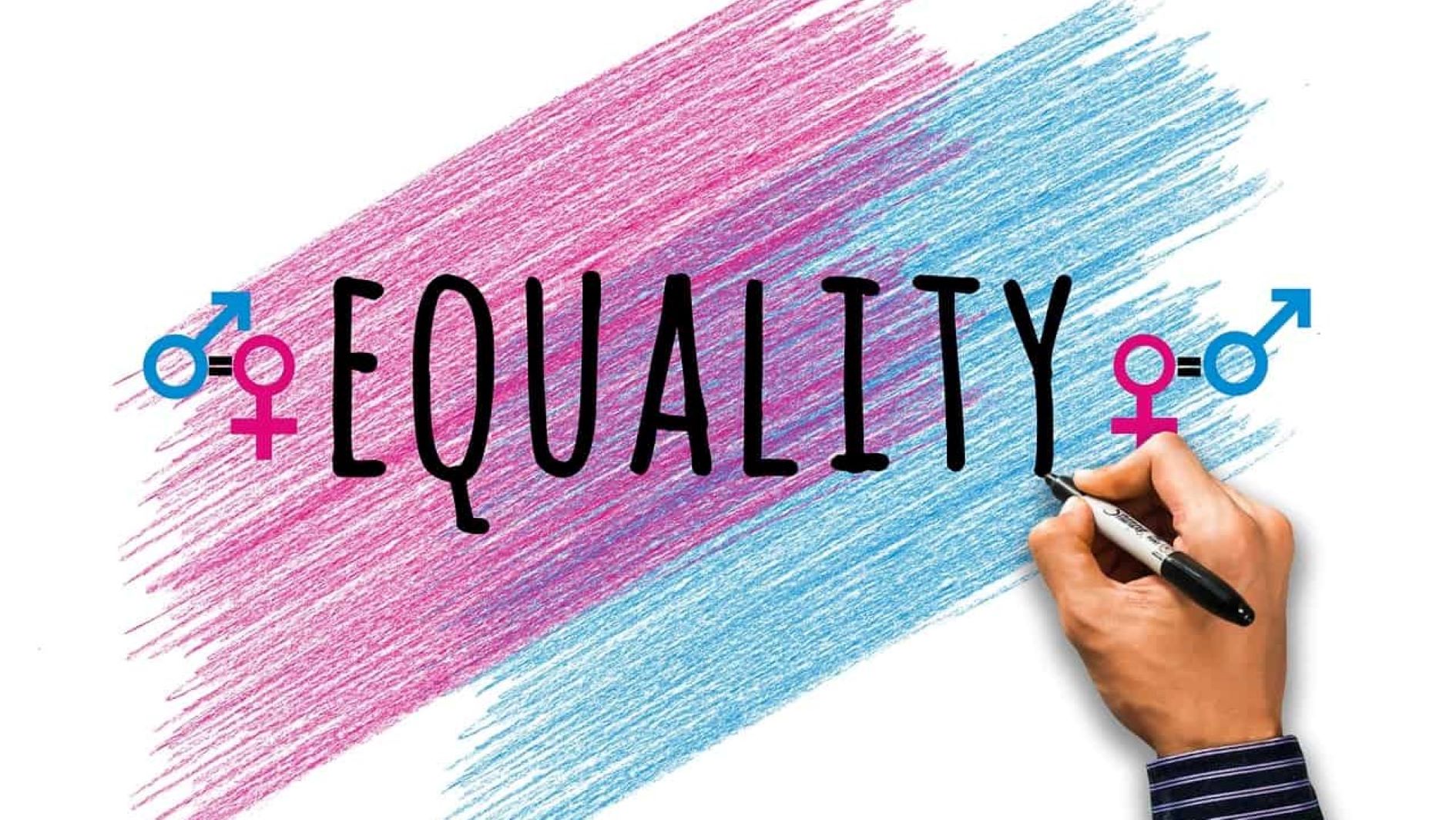
The United Nations has warned of a reversal in decades of progress on gender equality, as one in three institutional mechanisms established to advance gender equality has had its institutional power eroded over the past two years.
The warning is contained in the Gender Snapshot 2026, released by UN Women and the United Nations Department of Economic and Social Affairs (UN DESA) on September 17, 2026.
The report also found that about one in four of the institutions had their operating budgets cut during the period, while nearly one in 10 lost control of their budgets altogether.
It said funding for gender equality had fallen to its lowest level since 2021, with women’s rights organisations among those most affected.
Meanwhile, 42 per cent of UN entities reported a weakening of their gender equality efforts amid funding cuts.
The report said the retreat from gender equality was crosscutting, measurable, and compounding,warning that not a single indicator under Sustainable Development Goal 5 (SDG 5), which focuses on gender equality, is currently on track to be achieved by 2030.
It also highlighted the continuing concentration of political power among men, noting that six in seven countries are led by men.
According to the report, women face systemic barriers to political participation, including the cost of running for office, which can exceed 100 times a country’s average per-capita income.
“In some countries, as many as eight in 10 women seeking elective office face violence in public life,”it said.
Women are also underrepresented in portfolios with significant security and economic authority, with nearly nine in 10 defence ministers and more than eight in 10 finance ministers being men.
UN Women Executive Director, Sima Bahous, said greater access to power for women was essential to achieving equality.
“The evidence is clear: when women lead, societies are stronger, economies are more resilient and outcomes are better for everyone.
“Equality cannot be achieved without equal access to power because equality without power is not equality at all,”Bahous said.
The report said the imbalance extended beyond government, noting that women hold only six per cent of corporate chief executive officer positions globally and lead fewer than 20 per cent of the highest courts.
United Nations Under-Secretary-General for Economic and Social Affairs, Li Junhua, said: “The data leave no room for ambiguity: at current rates gender equality remains 171 years away.”
He said the findings showed that the situation was not inevitable, describing it as the result of choices that were made visible through data.
The report was released as world leaders prepare for the 81st Session of the UN General Assembly and as the United Nations moves towards selecting its 10th Secretary-General.
It noted that no woman has held the position of UN Secretary-General in the organisation’s 80-year history.
UN Women and UN DESA called for greater political and economic participation by women, adequate funding for gender equality institutions, protection of women’s rights organisations and civic space, and equal opportunities for women to shape decisions on economies, peace and security, technology and public life.