UPITS: A report card on the Yogi government's economic agenda
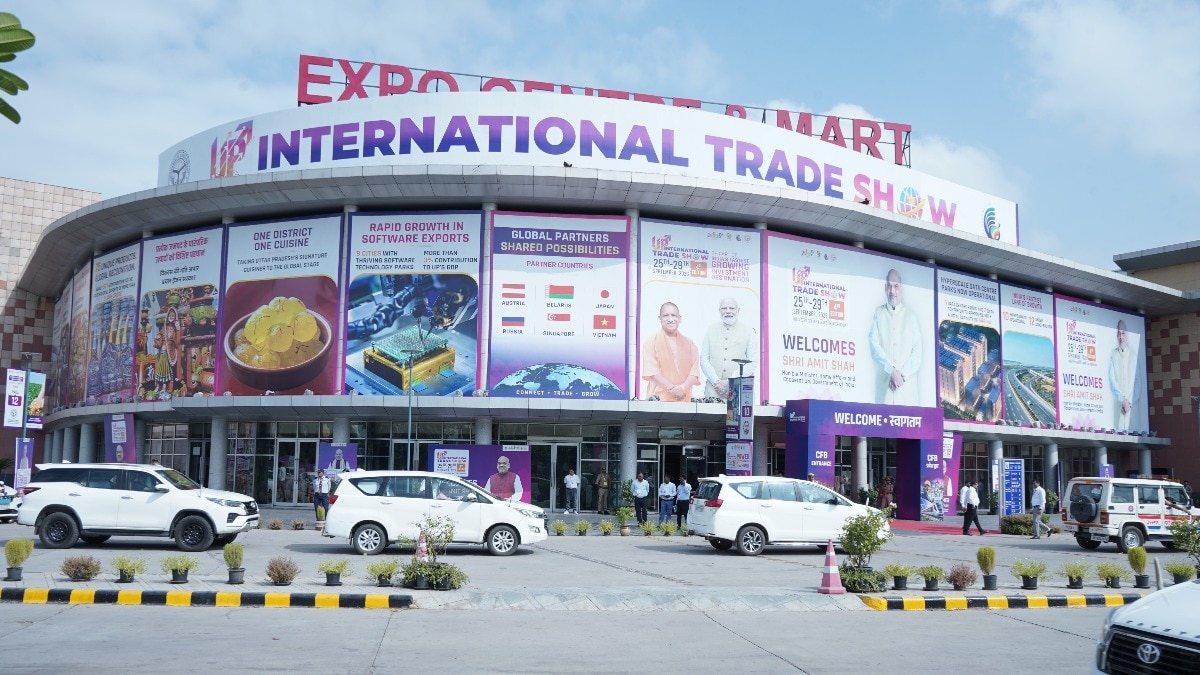
The Uttar Pradesh International Trade Show (UPITS) puts the state government’s economic agenda before buyers and investors from India and abroad. For Chief Minister Yogi Adityanath, it is also a chance to show how Uttar Pradesh is positioning itself: as a manufacturing and investment destination that can draw on its traditional crafts while building new industries.
A decade ago, Uttar Pradesh was often associated with slow administration, law and order problems and limited industrial growth. The government’s case today rests on improved infrastructure, investor services and support for local businesses. UPITS brings these efforts together on one platform.LINKING INVESTMENT WITH LOCAL BUSINESS
The Uttar Pradesh Global Investors Summit focused on attracting investment commitments. UPITS gives businesses, including smaller producers, an opportunity to meet buyers and show what they make.
Initiatives such as the Nivesh Mitra and Nivesh Sarathi portals are intended to make approvals and investor support easier to access. The government has also sought to improve roads, industrial infrastructure and security. Participation by companies and delegations from countries including Japan, Singapore, Vietnam, Russia, Austria and Belarus reflects the wider audience the state is trying to reach.
The important question is what happens after these events: how many proposals become operating businesses, and how much work reaches suppliers and workers across the state.TAKING THE BENEFITS BEYOND BIG CITIES
Investment will have a broader impact if it creates opportunities in Purvanchal, Bundelkhand and central Uttar Pradesh, as well as in the state’s established industrial centres.
The One District One Product (ODOP) scheme gives international buyers access to goods associated with particular districts, including Bhadohi carpets, Firozabad glassware, Varanasi silk and Moradabad brassware. A trade show can help these producers find customers they might otherwise struggle to reach.
New industrial units, food-processing facilities and data centres could also create demand for local suppliers and workers. Cold-chain infrastructure and agriculture-based industries can help farmers get their produce to market. For these benefits to be sustained, investment commitments must turn into completed projects and regular orders for smaller businesses.GROWTH AND PUBLIC WELFARE
Economic growth and welfare are closely connected. A stronger economy can create jobs and generate the resources needed for public services. At the same time, access to food, housing, healthcare and cooking fuel gives families greater security.
The Yogi government has pursued investment while continuing welfare programmes such as ration distribution, housing support, Ayushman Bharat and Ujjwala. The measure of this approach is whether people can access those benefits reliably and find better opportunities close to home.
Tourism is another part of the state’s economic plans. Development in Ayodhya, Kashi and Mathura can support hotels, transport providers, shopkeepers and street vendors. Its value to local communities will depend on how widely that income is shared.
UPITS and the Global Investors Summit have helped Uttar Pradesh present its ambitions to investors. Their lasting success will be judged beyond the exhibition halls: in projects that open, jobs that endure and opportunities that reach the state’s smaller towns and villages.
(Dr Pawan Jaiswal is a senior tax and finance adviser and a member of the GST Advisory Board and the CAG State Audit Advisory Board.)- Ends