US Iran war cost hits USD 43.6 billion as munitions spending surges

The cost of the US military's involvement in the Iran war has risen to USD 43.6 billion as of September 3, according to a new estimate given to lawmakers this week. The figure from US Central Command, which oversees operations in the Middle East, is the latest cost assessment for the conflict launched by the United States and Israel on February 28.
The new estimate shows that spending has continued to climb since a Congressional Budget Office report released on Tuesday put the cost at USD 38 billion through August 1. The CBO said the war would continue to add expenses of around USD 3 billion a month, depending on how intense the conflict remains.
The breakdown, seen by The Associated Press and first reported by Punchbowl News, also showed continued use of costly munitions by American forces. Weapons costs rose by more than USD 6 billion in a little over a month, from USD 21.7 billion in the CBO report to USD 28.1 billion in the US Central Command estimate.
The one-page report to Congress includes spending on operating warships, aircraft and bases, as well as equipment losses and medical support for troops. Pentagon casualty figures show 18 American personnel have died and more than 830 have been wounded, according to the Defense Casualty Analysis System.
The report does not include damage to US bases in the Middle East, which Iran has attacked with ballistic missiles and drones. A Pentagon inspector general report released on Monday said Iranian strikes had damaged or destroyed hundreds of buildings and other structures at US bases in Kuwait, Bahrain, Qatar, the United Arab Emirates, Saudi Arabia, Iraq, Oman and Jordan.
The financial burden is only one measure of the war's impact. The conflict has also affected oil prices and the stock market, and its political effects are expected to be reflected in the November midterm congressional elections, with Republicans facing increasing headwinds because of the war's unpopularity.
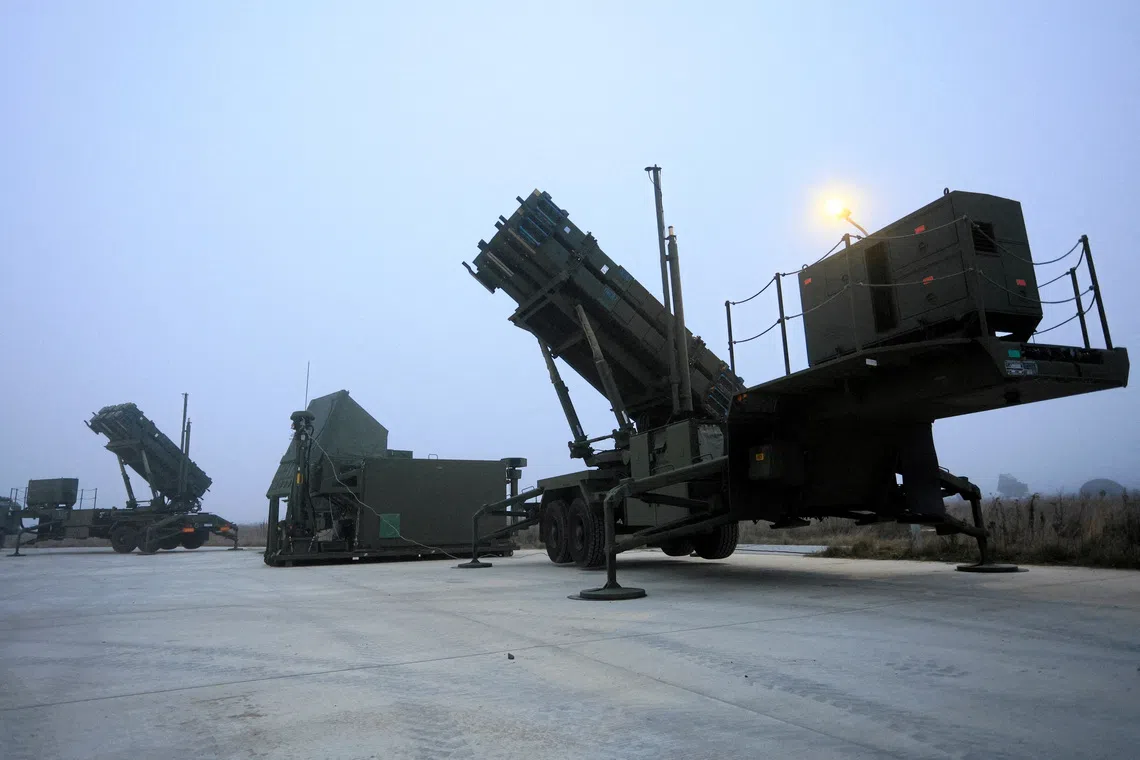
In the latest report to Congress, munitions made up by far the biggest share of spending, accounting for well over half of the total cost. The weapons in greatest demand have been defensive missile interceptors, including those fired by the Army's Patriot and THAAD systems. US and NATO officials told the AP there is a "beyond critical" shortage of missile interceptors in Europe. Saudi Arabia is also running low on interceptors and has sought help from regional and Western allies as its standoff with Houthi rebels in Yemen continues.
Overall, the latest US military estimate shows that the Iran war is becoming steadily more expensive, with rising weapons use, growing casualties and wider pressure on military stockpiles and regional bases.