US is world's biggest oil producer, but petrol is cheaper in India
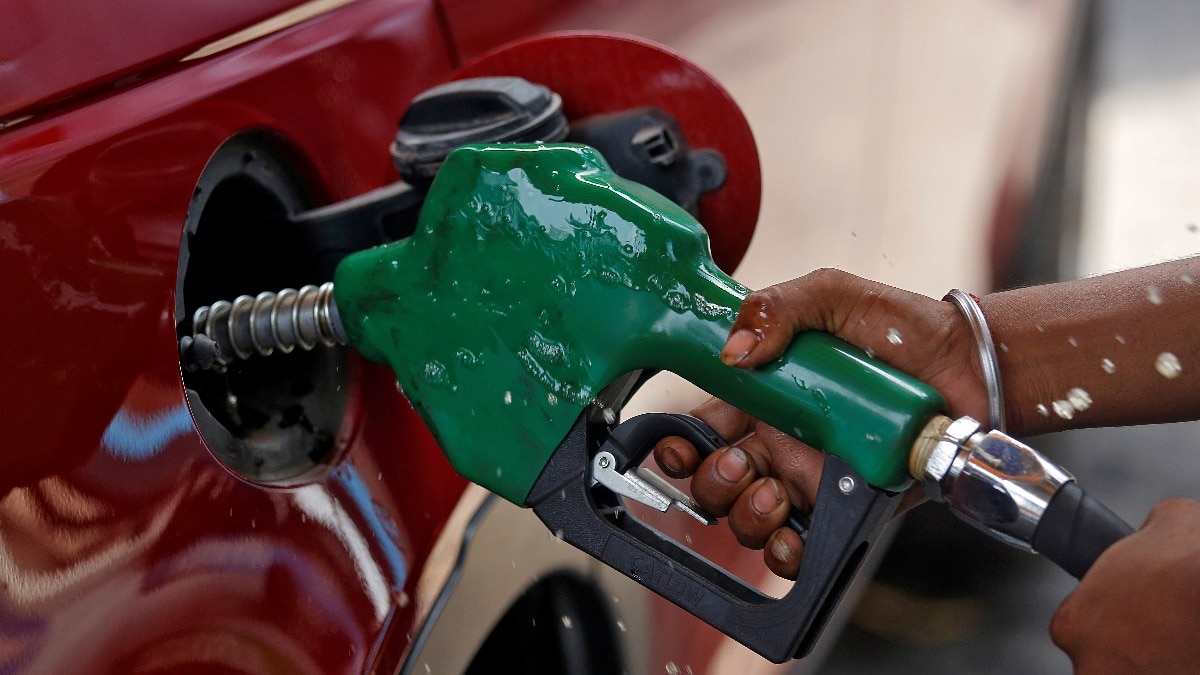
US retail gasoline prices have climbed sharply in recent weeks, taking them above India's petrol prices even as the United States remains the world's largest crude oil producer.
Data from GlobalPetrolPrices shows US gasoline at $1.27 per litre on September 21, 2026, compared with $1.137 per litre in India. That means US petrol was about 12% more expensive than India's on the same date. The same data shows US diesel at $1.725 per litre, compared with $1.027 in India.
The gap is notable because the US produces more crude oil than any other country. According to the US Energy Information Administration (EIA), the US produced a record 13.6 million barrels of crude oil and lease condensate per day in 2025, ahead of Russia at 9.9 million barrels per day and Saudi Arabia at 9.6 million barrels per day.
But being the world's largest oil producer does not automatically translate into cheaper petrol at the pump.
The change becomes clearer when the latest numbers are compared with August.
Trading Economics data from August 2026 showed gasoline prices in both India and the US at around $1.07 per litre.
By September 21, the US price had climbed to $1.27 per litre, while India's price stood at $1.137 per litre, according to GlobalPetrolPrices.
That means the US gasoline price increased by about 19% between the two data points, while India's rose by around 6%.
In rupee terms, using the exchange rate reflected in the GlobalPetrolPrices data, India's September 21 gasoline price was Rs 108.69 per litre. The US price works out to roughly Rs 121.75 per litre.
So the difference is not that Indian petrol has suddenly become much cheaper. Rather, US petrol prices have risen considerably faster over this period.
The GlobalPetrolPrices series also describes the Indian gasoline figure as an Octane-95 gasoline price and says its retail figures include taxes and fees. Its historical data shows India's gasoline price at Rs 108.70 per litre on September 14, with the price having changed very little over the preceding months.WHY ARE US FUEL PRICES RISING?
One major factor has been the rise in crude oil prices.
The American Automobile Association (AAA) said on September 17 that the US national average for regular gasoline had risen to $4.43 a gallon, up 16 cents from the previous week. It linked the increase to crude oil prices averaging around $100 a barrel amid continued volatility around the Strait of Hormuz.
AAA's national average was $4.4786 per gallon on September 21, according to its fuel-price data.
The rise has been gradual but significant. AAA data showed the US national average at $4.09 a gallon in late August, $4.14 on September 3, $4.27 on September 10 and $4.43 on September 17.
This rise in crude prices matters because crude oil is the biggest component of the cost of making petrol. Higher crude prices can therefore feed through to refinery and retail prices.
The EIA had also raised its 2026 oil-price outlook in July, forecasting Brent crude at an average of $82 a barrel for the year, while forecasting US retail gasoline at $3.64 a gallon.
The EIA says US crude oil production averaged 13.6 million barrels per day in 2025, a record. That was around 40% higher than production in either of the next two largest producers, Russia and Saudi Arabia. The US has been the world's largest crude oil producer since 2018.
However, crude oil production and petrol prices are two different things.
Oil is traded in a global market. The price of crude available to refiners is influenced by global supply and demand, geopolitical disruptions and international benchmark prices. The final price paid by a motorist also includes refining, transportation, distribution, taxes and other costs.
That means a country can produce a huge amount of crude and still see petrol prices rise when global oil prices increase.
The US is also a major exporter and importer of petroleum products, so its fuel market is connected to international markets rather than being completely insulated from global price movements.- EndsPublished By: Sonu VivekPublished On: Sep 23, 2026 15:14 IST