US Treasury yields hit 2007 highs: Why rising bond rates are worrying investors
Yields on long-term US government bonds have risen to their highest levels in years. The rise is part of a wider selloff in Treasury bonds as investors worry about inflation, oil prices and heavy US government borrowing. Bloomberg reported that yields across several Treasury maturities are now around their highest levels since 2007.
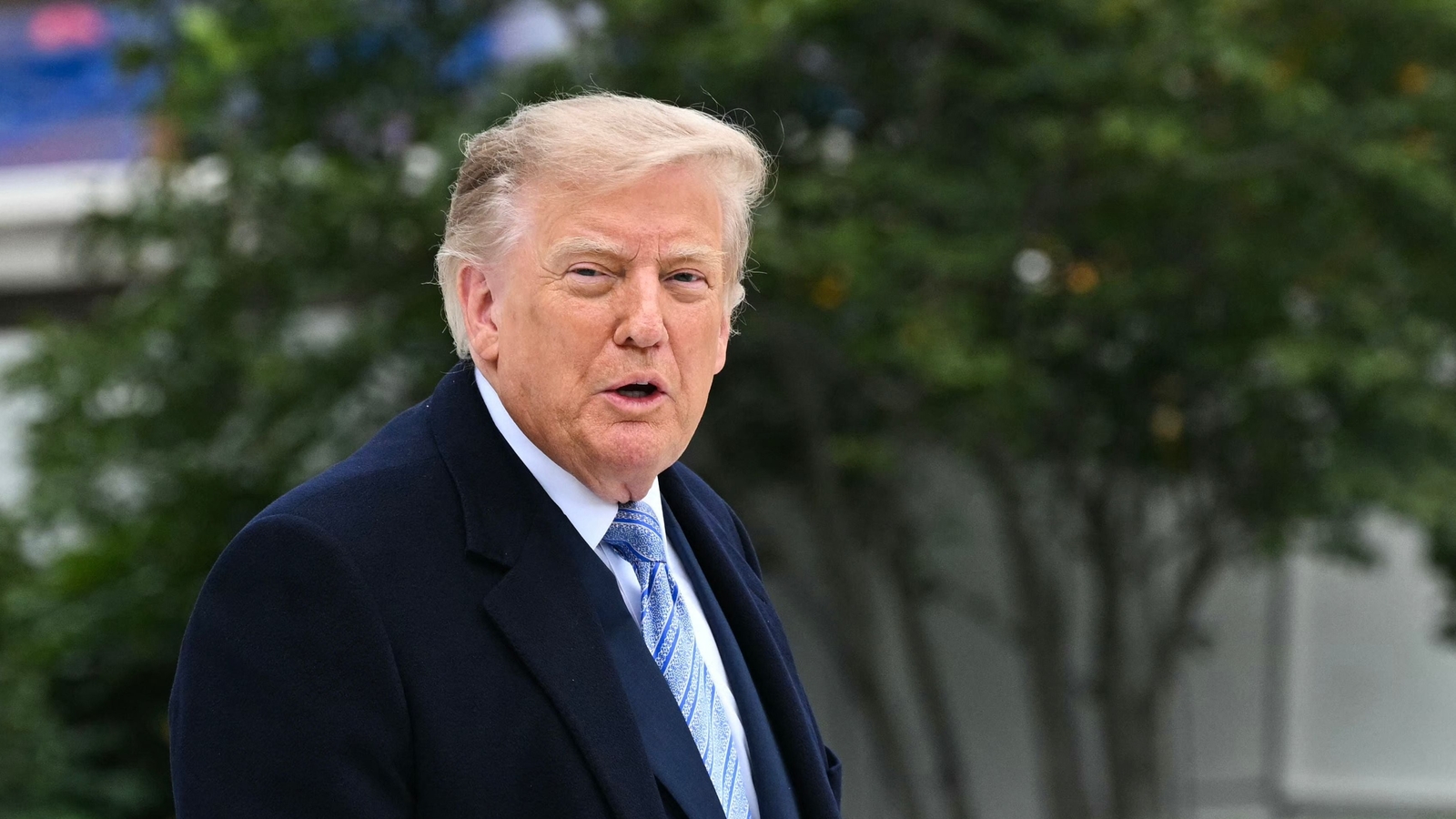
US Treasury yields rise to 2007 highs as inflation and oil prices worry investors. (AFP)The 30-year US Treasury yield rose as much as 4 basis points on Thursday to 5.44%. That was its highest level since 2004. The rise came after Brent crude oil prices jumped, adding to concerns about inflation.
Investors are asking for more money in return for lending to the US government for a very long period. Higher economic growth, rising energy prices, inflation concerns and increased government borrowing are all putting pressure on long-term bonds. Investors want higher returns because they are locking their money away for decades.
Ed Al-Hussainy, a portfolio manager at Columbia Threadneedle, said investors want “much higher compensation” for keeping their money in 30-year bonds. In simple terms, investors are demanding higher interest rates before they agree to lend money to the US government for 30 years.
The rise in the 30-year yield is working against the US Treasury Department's efforts to lower long-term borrowing costs. As Treasury yields rise, borrowing costs linked to those yields can also increase. The pressure has continued despite steps taken by the Treasury Department to support the bond market.
Treasury Secretary Scott Bessent expanded the government's bond buyback programme in mid-August. The move was aimed at easing pressure in the Treasury market. However, the programme has had little lasting impact as the bond selloff continued, according to Bloomberg.
The 10-year Treasury yield climbed as high as 5.12% on Wednesday. That was its highest level since 2007. The 5-year Treasury yield also reached a level not seen since 2007, showing that the rise is affecting more than just the longest-term bonds, according to Yahoo Finance.
The current 10-year yield level is reminding some investors of the period before the 2008 global financial crisis. The last time the 10-year Treasury yield was this high was in July 2007. Three months later, the global financial crisis began as the US housing market collapsed.
The rise in Treasury yields does not automatically mean another financial crisis is coming. The current situation is different from the housing and banking crisis that began in 2007–08. Yahoo Finance noted that saying a stock market crash is about to happen simply because Treasury yields have returned to 2007 levels would be reckless.
Even without a financial crisis, rapidly rising Treasury yields can make investors more cautious about taking risks in stocks. Higher bond yields can make government bonds more attractive compared with riskier assets such as stocks. Yahoo Finance said the move is something investors should watch and could lead them to reduce their appetite for stock-market risk.
Higher oil prices are another major reason Treasury yields are rising. More expensive oil can increase costs for businesses and consumers. This can add to inflation pressure and make investors worry that interest rates could stay higher for longer.
Recent business activity data came in hotter than expected. Stronger economic activity can make it harder for inflation to cool quickly. Together with higher oil prices, the data has increased concerns that the Federal Reserve may need to keep interest rates higher.
New York Federal Reserve President John Williams said Thursday that it was reasonable to think the Fed may need to raise interest rates again before the end of the year. He said this could be needed to bring inflation under control, according to Yahoo Finance.
Federal Reserve Governor Michael Barr made similar comments on Wednesday. Barr said additional interest rate increases would be needed. These comments are adding to investor concerns about where US interest rates could go next.
Higher Treasury yields mean investors can earn more from US government bonds. But they also signal that markets are demanding higher returns because of concerns about inflation, government borrowing and future interest rates. This can affect borrowing costs and financial markets across the US economy.
Rising Treasury yields can put pressure on stocks because investors compare the potential returns from stocks with the relatively safer returns available from US government bonds. Higher yields can also increase financing costs for companies. This is why a sharp rise in Treasury yields can become an important issue for stock investors.
The biggest issue for investors is whether inflation will remain high enough to force the Fed to raise rates again. Higher oil prices, strong economic activity and continued inflation concerns are all being watched closely. If investors expect rates to stay high, they can demand even higher yields on longer-term Treasury bonds.
The jump in Treasury yields is putting the bond market under pressure while creating another challenge for stocks. The 30-year yield at 5.44% and the 10-year yield above 5% show how sharply borrowing costs have moved higher. The levels are also bringing back memories of 2007, although current conditions do not by themselves indicate that another financial crisis is beginning.
The Treasury selloff is being driven by several factors at the same time: inflation worries, higher oil prices, economic growth and heavy US government borrowing. Investors are demanding more compensation to hold long-term US debt. At the same time, comments from Fed officials are keeping alive the possibility of another interest rate hike.
Investors will closely watch oil prices, inflation data, economic activity and comments from Federal Reserve officials. They will also watch whether the 10-year and 30-year Treasury yields continue climbing. A continued rise could keep pressure on both borrowing costs and riskier assets such as stocks.
Durva More is a Senior Content Producer at Hindustan Times, where she covers finance, and global news. She brings experience across digital and television journalism, with a strong focus on breaking news, business reporting, and international affairs. Before joining Hindustan Times, Durva worked as an International News Writer at The Economic Times, covering a diverse range of subjects including global politics, business, sports, entertainment, and major world events. She also worked as a Business Reporter with NDTV Profit. A postgraduate diploma holder in Journalism from the Asian College of Journalism, Durva is passionate about field reporting and storytelling. She thrives on the adrenaline of chasing stories, speaking with people from different walks of life, and amplifying voices that deserve to be heard. Her reporting is driven by curiosity, accuracy, and a commitment to making complex subjects accessible to readers. When she is not chasing stories or covering breaking news, Durva enjoys reading books and painting. She loves exploring new ideas, meeting people, and learning about different perspectives. For her, both journalism and art are ways to understand the world and tell stories that matter.Read More