USCIS Announces Higher Immigration Fees: What Applicants Will Pay - Newsweek
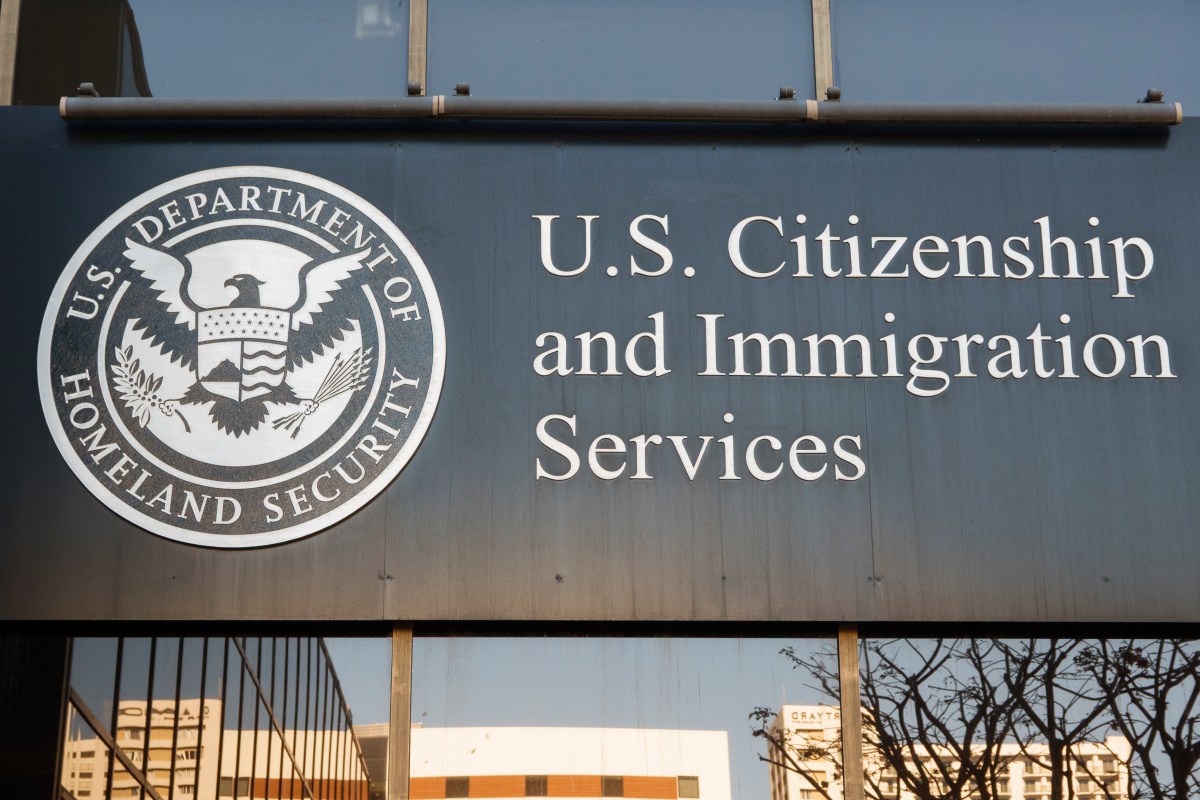
U.S. Citizenship and Immigration Services (USCIS) is raising several immigration-related fees beginning October 16, with asylum seekers and some applicants for work permits, parole, and Temporary Protected Status (TPS) among those affected.
The increases are inflation adjustments to immigration fees established under the One Big Beautiful Bill Act, President Donald Trump’s sweeping tax and spending law that became law in July 2025.
The changes come as the Trump administration continues to tighten control over legal immigration and make it more expensive for some immigrants to file applications.
USCIS, an agency under the umbrella of the Department of Homeland Security, administers immigration benefits, including applications for immigration status and work authorization. Newsweek contacted USCIS for further comment on Thursday morning and is awaiting a response.
Under the new fee schedule, the annual asylum application fee will rise from $102 to $105. The immigration parole fee associated with Form I-131, which covers applications for travel documents, parole documents, and arrival/departure records, will increase from $1,020 to $1,050.
The fee for an initial work permit for asylum applicants, parolees, and TPS recipients will increase from $560 to $570. The fee for Form I-821, used to apply for Temporary Protected Status, will also rise by $10, from $510 to $520.
TPS allows eligible nationals of designated countries facing conditions such as armed conflict or environmental disasters to live and work temporarily in the U.S., while parole can permit certain people to enter or remain in the country temporarily without granting them permanent immigration status. The administration has moved to terminate the program for several countries.
USCIS's September guidance specifically confirms that Sudan and Ukraine are set to terminate October 19, 2026, while the latest September 30 guidance says El Salvador remains protected pending a DHS announcement.
The Trump administration has already terminated TPS designations for Afghanistan, Cameroon, Haiti, Honduras, Myanmar (Burma), Nepal, Nicaragua, Somalia, South Sudan, Syria, Venezuela, Ethiopia, and Yemen at various points during 2025-2026.
USCIS said immigration benefit requests postmarked on or after October 16 must include the new fee when the adjusted charge applies. Applications submitted without the correct filing fee will be rejected.
The increases are relatively small compared with the underlying fees. The annual asylum fee rises by $3, or about 2.9 percent, while the parole fee increases by $30, also about 2.9 percent. The affected work permit fee rises by $10, or about 1.8 percent, and the Temporary Protected Status application fee increases by $10, or about 2 percent.
The new amounts apply based on when a request is postmarked, meaning applicants filing before October 16 remain subject to the previous amounts, while those whose requests are postmarked on or after that date must pay the adjusted fees.
For an asylum applicant subject to both the annual asylum fee and the affected initial work permit fee, for example, the two charges would total $675 under the new schedule, compared with $662 at the previous rates.
Immigration advocates have argued that the new fees create additional financial barriers for people seeking humanitarian protections, while the administration has framed fee changes as part of an effort to cover increased costs of reviewing applications.
The fee changes come as the State Department releases its October 2026 Visa Bulletin, the first bulletin of the new federal fiscal year. Each October, new annual immigrant visa numbers become available, potentially allowing some employment-based applicants to move forward after months or years of waiting.