
Voters’ data center rebuke hits some tech companies harder than others - Semafor
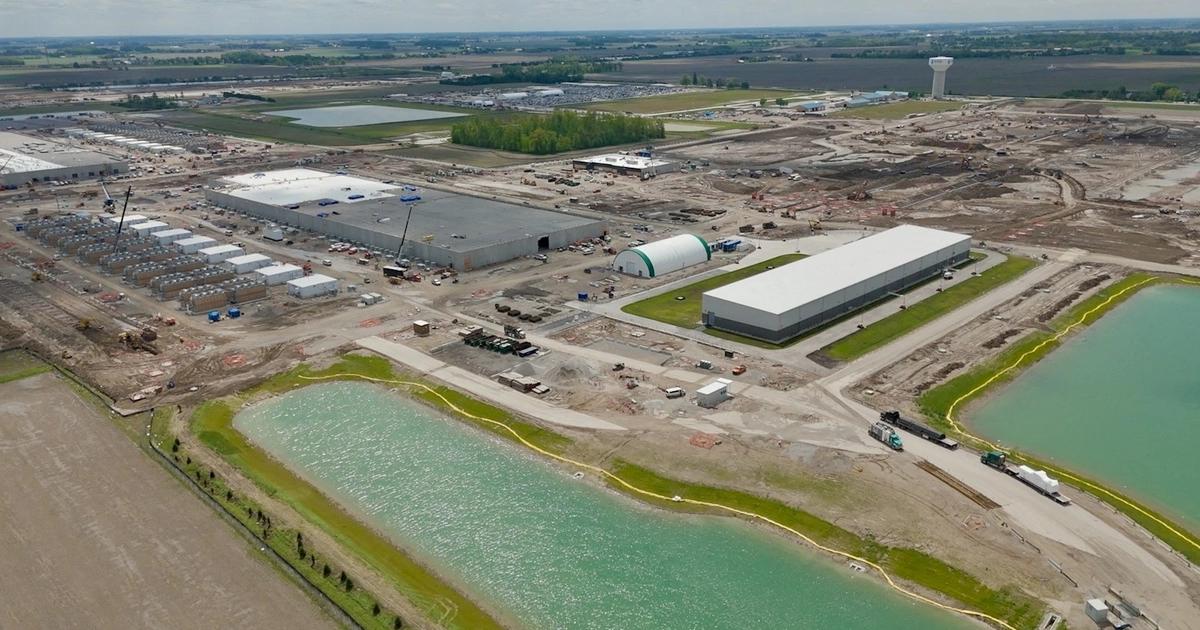
In Piqua, Ohio, voters on Tuesday approved a ban on large data centers and recalled the commissioners who backed Meta’s massive project there. In Trenton, less than 50 miles south, a similar ban passed. And outside Columbus, the heart of Ohio’s data center boom, voters in Ashville repealed the village’s deal with developer EdgeConneX.
These Ohio races were part of a swell of anti-data-center sentiment that echoed across the country in dozens of ballot measures concerning bans, moratoriums, or stricter regulations and oversight. The votes were hyperlocal and often emotional in nature, but they could carry financial consequences, because some of the projects at stake were already in motion.
More than 40% of the US’ planned data center capacity is located in states where governors or governors-elect have pledged or already imposed a pause on new data centers, according to a Cleanview analysis. That doesn’t mean the data center buildout will grind to a halt, but markets are pricing in a slowdown.
Shares of companies that are directly exposed to the physical buildout of data centers tanked Wednesday, including Modine (a maker of data center HVACs, down about 21%) and Sterling Infrastructure (site prep and electrical work, also down 21%).
Hyperscaler stocks, though, soared, with traders betting they will be forced to rein in the rapid spending that has pushed their free cash flow to negative territory. More restrictions on data center construction also means tech giants’ compute capacity “potentially even becomes more valuable,” Morgan Stanley US Equities Strategist Andrew Pauker told Semafor.
Tech companies are also recalibrating their data center strategies in Washington as they prepare for a Democrat-controlled Congress.
One tech-focused public affairs adviser suggested companies work with Democrats to craft national rules around data center development. Incoming Democrats in the House and Senate say they’re going into Congress with a mandate to do something about AI data centers, and Republican groups who pushed their party to listen to grassroots concerns about data centers are saying Washington Republicans can only blame themselves for the midterm losses after aligning with AI companies.
Ellen DiMauro contributed to this story.

