Want to be voice for all: Divya Mittal, who quit IAS, announces entry into politics
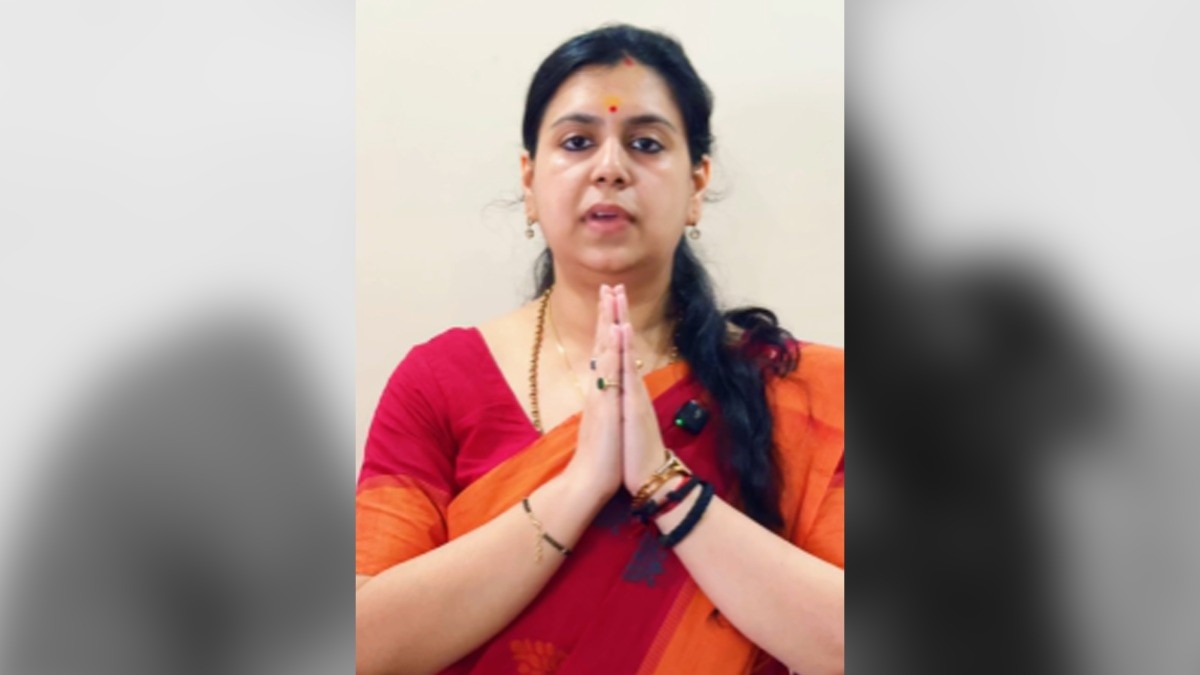
Nearly a month after resigning as an IAS officer, Divya Mittal has announced her entry into politics in Uttar Pradesh, saying she will not join any political party and instead work with citizens to build a platform around their issues and problems.
Mittal, a 2013-batch Uttar Pradesh cadre officer, announced her resignation from the IAS on August 30 after 13 years in administrative service.
In a video message posted on X on Monday, she ended the suspense over what she planned to do after leaving the bureaucracy.IAS , 9198956957 whatsapp pic.twitter.com/mtS6gzBzRw— Divya Mittal (@divyamittal_IAS) September 29, 2026
"People have been asking me what I will do next, who I will join and where I will start," Mittal said, explaining that it took her some time to answer those questions as she was also preparing for the new path.
She said her political journey would begin in Uttar Pradesh, a state she described as more than just her workplace.
"Uttar Pradesh has not just been my workplace. The people here have treated me like family. I came here as an officer, but the people accepted me like a daughter," she said.
Calling it the beginning of a "new innings", Mittal said she wanted to start her political journey from the state because of its history and its role in shaping the country's social and political direction.
Mittal said politics would not be a route to attaining a position, but a means of representing people whose concerns often go unheard.
She said she wanted to speak for people whose voices do not reach government offices and whose grievances often remain unheard even when they do.
"Even after so many years of independence, many fundamental problems persist. I want answers to these problems," she said.
Mittal also urged people not to wait for a single person to emerge as a messiah, arguing that change had to be initiated by citizens themselves.VILLAGE SCHOOL TO 'INTENTION' BEHIND IMPLEMENTATION
Recounting experiences from her administrative tenure, Mittal spoke about a woman she met while inspecting water-supply work in Mirzapur.
She said she expected the woman to ask for a pension, a house or water. Instead, the woman sought a higher grade of school in her village.
According to Mittal, the existing school went only up to Class 5, making it difficult for children to continue their education. She said she checked the rules and approval process and found that the school had already been approved, but construction had not started even after three years.
The episode, she said, raised a larger question about implementation.
"The problem was not resources, but intention," she said.'WHO IS ABOVE?'
Mittal also recalled an incident from her tenure as Special Secretary for Revenue, when a man approached her with documents relating to a government land lease.
She said verification of the documents revealed discrepancies in the report. After she spoke to the concerned official, the report was returned and action was taken against the person who had prepared it.
The next issue was securing possession of the land, she said. Despite several conversations with officials, she recalled being told: "It was forbidden from above."
That response prompted her to ask who exactly was "above."
Mittal said the Constitution recognises the people as supreme and questioned why citizens should need recommendations or phone calls to exercise their rights.ROADS, ACCOUNTABILITY AND YOUTH ISSUES
She also spoke about roads, bridges and potholes in rural areas, saying thousands of villages still lack basic infrastructure and that many lose connectivity during the rainy season.
Where roads exist, she said, potholes can lead to accidents. Mittal argued that the issue was not merely poor road conditions but accountability, saying officials and those responsible often know where problems exist but action is delayed.
She said deaths caused by such failures cannot simply be dismissed as accidents without addressing accountability.
Mittal also highlighted concerns around young people and the education system.
Recalling her own journey as a girl from a middle-class family who was able to progress through education, she said today's youth face a different set of challenges, including those linked to paper leaks.
Her political journey, she said, would focus on taking up such issues directly with the people and building a platform around their concerns.- Ends