
Watching the US Midterm Elections 2026: Risks and Impacts on Thailands Economy and Stock Market - Thairath English
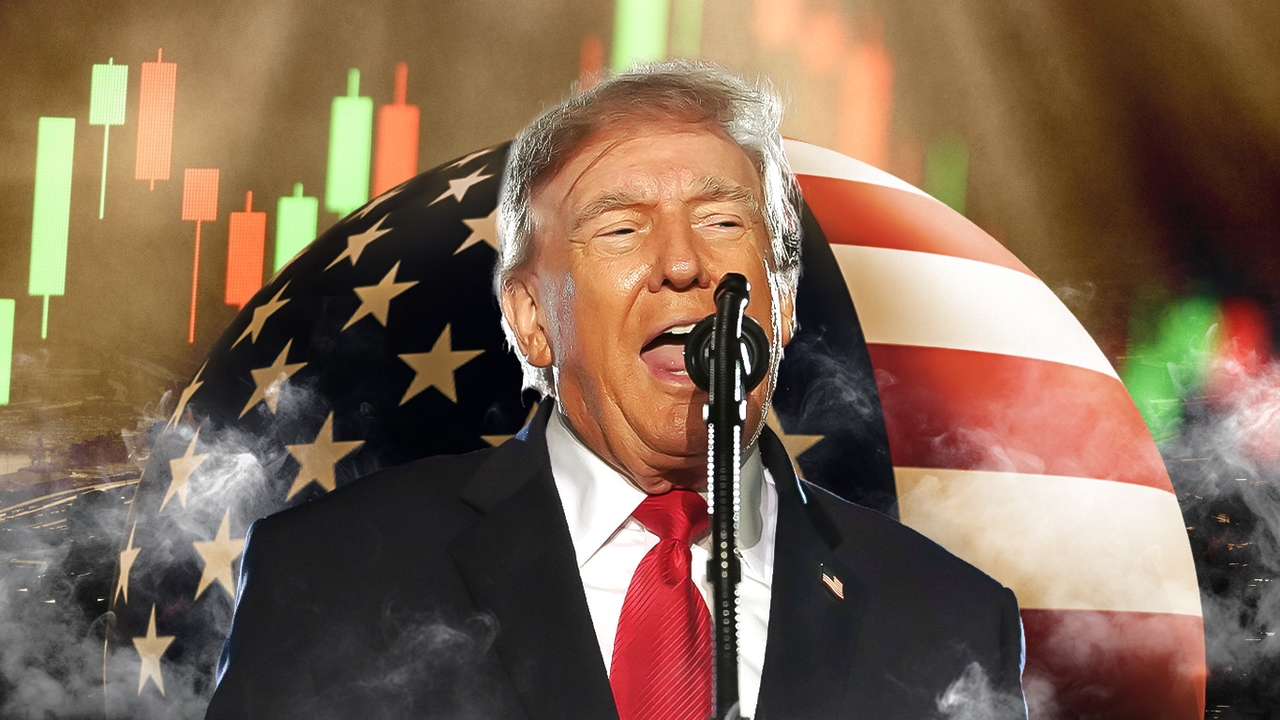
The world is facing high volatility and uncertainty, from conflicts in the Middle East and global public debt issues to protests in several European countries. Additionally, US political matters are in focus as the US midterm elections will be held tomorrow (3 Nov 2026). How these events will impact Thailand's economy and investment markets remains to be seen.
Chayanon Rakkarnjanun, Co-Founder of Finnomena Group and CEO of Finnomena Funds, explained that the market expects a high chance that the Democratic Party will control the House of Representatives, leading to a Split Congress. This would reduce President Donald Trump's power to pass laws and budgets, as proposals may face opposition in the House.
Meanwhile, Trump can still use executive powers, such as Executive Orders like Sections 232 and 301 to wage trade wars, and military policies including negotiations or attacks on Iran.
The risks to watch include US tax laws and the urgency of next fiscal year's budget disbursement. If Congress fails to reach an agreement, there is a 27% chance of a Government Shutdown. This midterm election is seen as influential on the direction of US policies and measures going forward.
, Dr. Pipat Luengnaruemitchai, Chief Economist at Kiatnakin Phatra Financial Group (KKP), said that this midterm election might not be a major game changer, as the market largely expects Trump's Republican Party to lose control of the House. This could have impacts such as the risk of a Government Shutdown and debt ceiling issues. However, trade wars could still occur because Trump has not yet used legal authority fully, and losing the House would reduce his support. Attention should also be paid to potential regulations on AI.
Regarding Europe, he noted current problems in major countries like France and Italy, where political unrest and protests demand better social welfare. Meanwhile, financial markets pressure governments to reduce spending amid high public debt levels.
The impact remains limited as credit rating agencies have not downgraded France, and markets are not worried about defaults. The main effect is on rising interest rates, which affect confidence more than default risks.
As for Thailand, Dr. Pipat assesses that the situations in Europe, the US midterm elections, and the risk of a US Government Shutdown will not directly affect Thailand's economy or investment markets.
Overall, risks include rising interest rates and an economic slowdown, which markets dislike, causing increased volatility. This may reduce market sentiment and risk appetite, potentially leading to capital outflows from equities or other assets and slowing capital inflows to emerging markets like Thailand.
KKP forecasts Thailand's GDP growth this year at about 2.5%, following a K-Shaped pattern where the upper leg grows well, supported by exports especially related to AI, while the lower leg slows down in sectors like automotive, petrochemicals, and tourism.
The biggest concern is slowing domestic consumption combined with AI-related exports and investments relying heavily on imports, causing imports to grow faster than exports and leading to a trade deficit. Although overall economic figures may look better, growth is concentrated in the upper segment, leaving most people feeling the economy is weak.
Therefore, investing in Thai stocks should focus on safer sectors like banking and long-term growth sectors such as healthcare and food and beverage. Currently, the SET Index target for 2026 remains at 1,680 points, with attention on Thai listed companies’ profits, which are mostly stagnant except for petrochemicals benefiting from higher energy prices.
For portfolio management, diversification and long-term investment are advised, spreading investments across countries and industries with growth potential, including global and US stocks. Fixed income investments in foreign bonds are also an option, though currently maintaining positions without adding more weight is recommended.
Regarding gold, it is suggested to hold about 2-5% in portfolios to hedge inflation risks, but caution is advised since gold tends to underperform when policy interest rates are rising.
Read stock and investment news with Thairath Money athttps://www.thairath.co.th/money/investment
Follow the Facebook page: Thairath Money at this linkhttps://www.facebook.com/ThairathMoney


