Waymo to bring autonomous, electric ride-hailing to S'pore in 2028 - Mothership
This will mark the ride-hailing service's first entry in Southeast Asia.
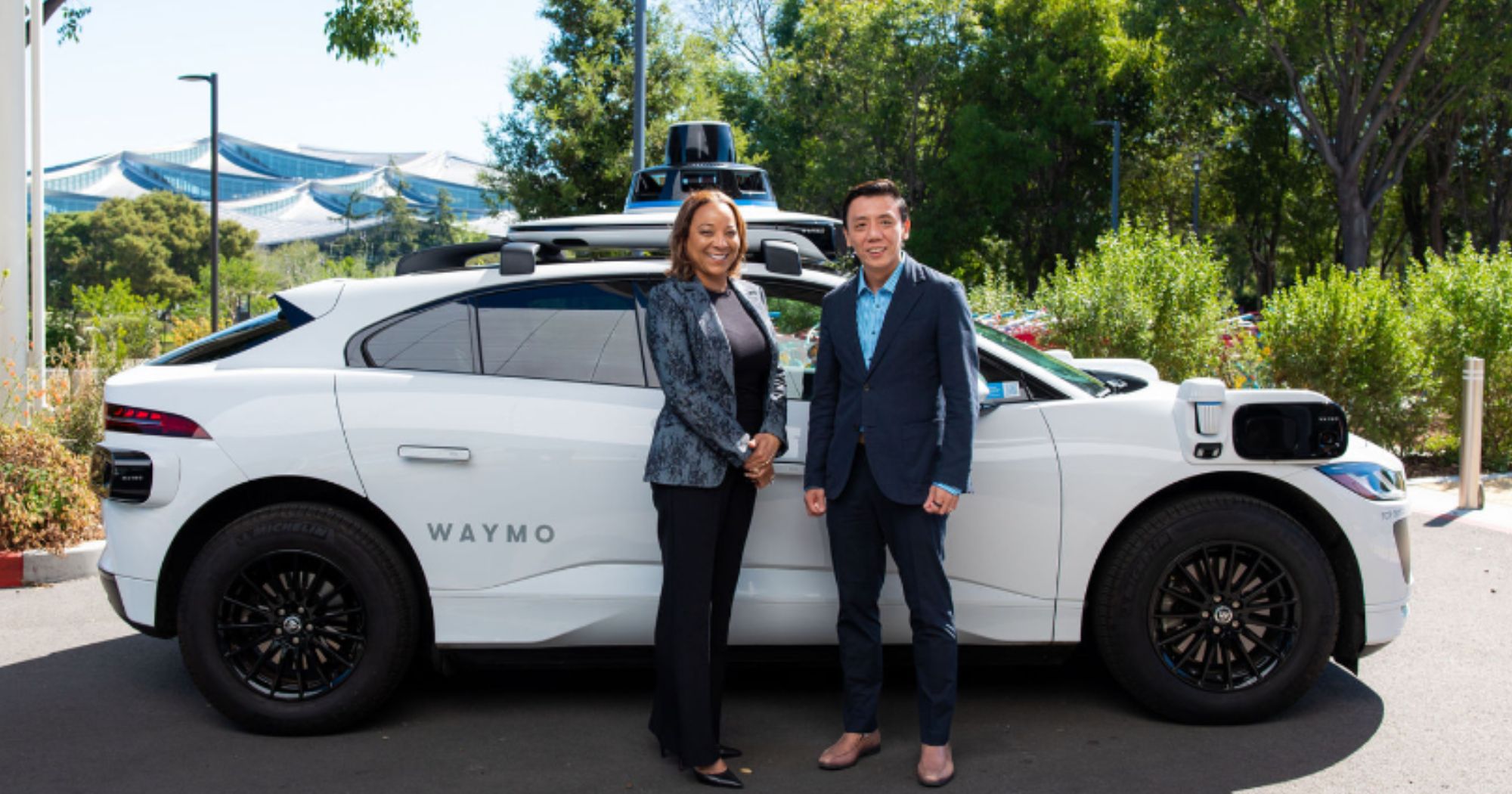
Autonomous ride-hailing service Waymo is set to come to Singapore by 2028, marking its first entry in Southeast Asia.
The company announced the expansion on Sep. 18 during a press event where Minister for Transport Jeffrey Siow was the Guest-of-Honour.
An independent subsidiary of Alphabet Inc., Google’s parent company, Waymo was the first company to launch a self-driving public robotaxi service in the U.S. in 2020.
The expansion to Singapore is in partnership with the Ministry of Transport (MOT) and the Land Transport Authority (LTA), Waymo said in a press release.
Siow welcomed Waymo’s entry as Singapore’s newest autonomous vehicle (AV) operator, saying it brings “world-class technology and operational expertise” to Singapore.
He also noted that it will create new transport options for Singaporeans as well as strengthen our ecosystem and create new capabilities and jobs.
Just a few days prior, on Sep. 14, Grab had announced that it will be expanding its AV fleet from 10 to 50 vehicles over the next six months and also broaden its AV service coverage beyond Punggol.
It was the first to launch an autonomous public ride service in Singapore earlier this year, in April 2026.
Waymo said it will introduce its fully autonomous, all-electric ride-hailing service in Singapore via the Waymo app by 2028.
An initial fleet of all-electric Jaguar I-PACE vehicles is expected to arrive in the coming months, it said.
Mapping and validation activities are scheduled for 2027, with trained autonomous specialists conducting initial manual driving to adapt the Waymo Driver to local road geometry, monsoon weather patterns, and more.
Waymo Driver is the company’s driving technology that controls a vehicle from pickup to destination without needing a human behind the wheel.
Bringing fully autonomous technology to any city requires “rigour, patience, regulatory approvals alongside extensive engagement and collaboration”, Waymo said.
The company said they are applying the same methodical, safety-first framework that has guided their growth across the U.S.
Waymo was also working to launch in Tokyo, London and Munich.
Waymo said it will complement Singapore’s public transit network and aim to bridge first-and-last-mile transit gaps across residential and commercial hubs.
“In our existing commercial service territories, many riders enjoy using Waymo to connect to mass transit, including more than a third of riders in San Francisco who are picked up or dropped off near transit stations,” it said.
Their 100 per cent electric fleet also directly supports the Singapore Green Plan 2030, the company noted.
Currently, their fleet prevents an estimated 480 metric tonnes of carbon dioxide from road travel every week.
On mobility protection, Waymo say its custom sensor suite of lidar, radar, and cameras provides a 360-degree view that detects and predicts the movements of pedestrians, cyclists, and active mobility users.
It is designed to ensure “cautious, predictable interactions” on dense urban streets, the company said.
"Singapore has built one of the safest, most efficient, and most forward-thinking transportation ecosystems in the world. Their focus on reliability, sustainability, and human-centric progress directly mirrors how we have built Waymo’s technology and service," said Tekedra Mawakana, co-chief executive officer of Waymo.
In a press release, LTA said the government will continue to work closely with tripartite partners and operators to provide more support for drivers.
This builds on the manpower transition package announced in parliament in July 2026.
For instance, LTA said it will support drivers to acquire new skills and assist willing drivers to pivot into new roles created by the growing AV sector.
“The government is committed to helping drivers prepare for the autonomous vehicle transition early and will not allow autonomous vehicle deployment to run ahead of our ability to retrain and support affected drivers,” LTA said.
LTA stated that Waymo’s deployment supports Singapore’s approach to expand the range of autonomous mobility services and provide commuters with more transport options.
LTA said it will work closely with Waymo to ensure that all deployments meet safety and regulatory requirements and build public trust in autonomous vehicles.