
‘We can't allow anarchy’: Justice Minister to address March and March after elections - IOL
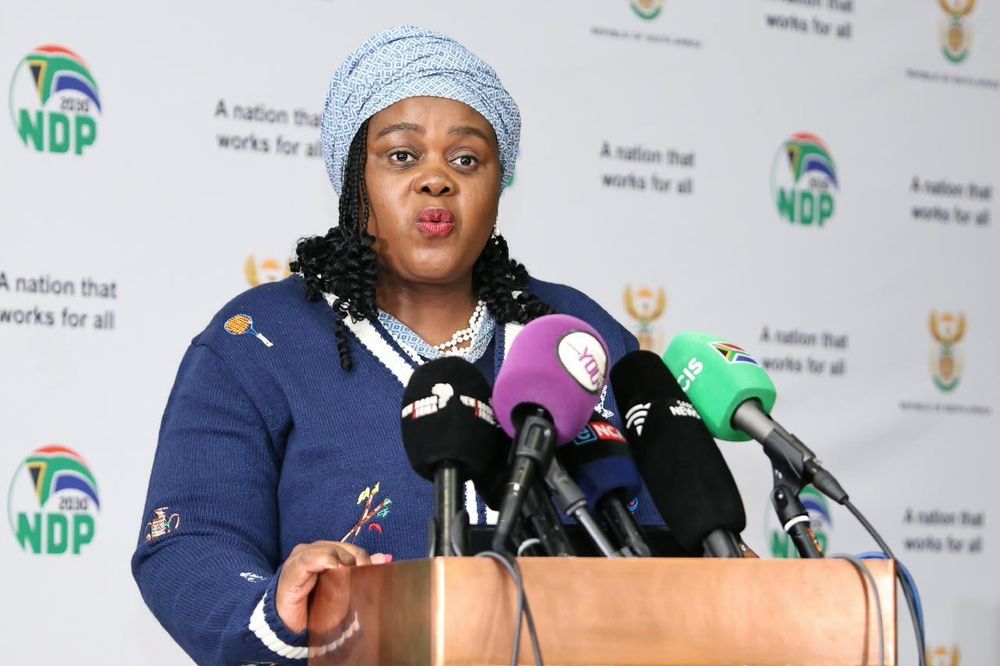
Justice Minister Mmamoloko Kubayi has warned the March and March movement against defying a court order regulating its protests, saying government will not tolerate lawlessness or anyone acting above the law.
Justice Minister Mmamoloko Kubayi has warned the March and March movement against defying a court order regulating its protests, saying the government will not allow anyone to place themselves above the law.
Kubayi said she would address the movement and outline the government's next steps at a media briefing after Wednesday's local government elections.
“The issue is that we've got to set the record straight. We can't allow anarchy in this country.
''The court has set out. We've been observing. We see that even despite a court order, they want to defy. We can't have that,” she said.
Her comments come as the movement faces legal restrictions following weeks of anti-illegal immigration demonstrations in Durban, which have been accompanied by violence, damage to property and growing tensions between protesters, foreign nationals and police.
Acting Police Minister Firoz Cachalia and KwaZulu-Natal police commissioner Lieutenant-General Nhlanhla Mkhwanazi approached the Durban High Court for an urgent interdict against the movement and several of its leaders.
The application followed a series of demonstrations in the Durban central business district and around the Department of Home Affairs Refugee Reception Centre in Berea.
IOL previously reported that the unrest included the torching of 14 vehicles and damage to about a dozen shops. A Ugandan national was also assaulted and stabbed during the violence, prompting a murder investigation. Police said the motive for the killing had not been established.
Police raised concerns about escalating tensions and intelligence warning of an alleged plan to set fire to the refugee reception centre.
The court subsequently imposed restrictions on the movement and its members, including a prohibition on protests during the election period. When demonstrations resume, they may only take place between 10 am and 3 pm along designated routes.
The order also prohibits protesters from carrying weapons, disguising their faces, or engaging in violent conduct. It further restricts intimidation, attacks on people and property damage.
The restrictions do not amount to a blanket ban on peaceful protest. The movement's attorney, Xolani Zuma, told supporters outside court that demonstrations would resume after November 6 and urged them to comply with the order.
The legal action has also drawn criticism from the movement, which has argued that the restrictions interfere with its constitutional right to demonstrate.
Kubayi said government would not allow any individual or organisation to disregard the law, regardless of their position or influence.
“We've seen former presidents be taken to court. We've seen sitting presidents being taken to court. We can't have anyone who thinks they are above the law,” she said.
Asked whether government intended to take a tougher approach against the movement, Kubayi declined to disclose details, saying the media briefing after the elections would outline the next phase of government's work.
“I'm not saying anything. Wait for my media briefing. We will be outlining the next phases of work,” she said.
She also called on South Africans to trust government, saying it was prepared to work with anyone willing to operate within the law.
Kubayi said government could not work alone and needed to engage with different stakeholders, but would not allow anyone to hold it to ransom.
She said she had stopped campaigning and returned to Johannesburg to meet people who had requested engagements with her.


