
We propose separate NTA law: SBI calls for clear rules to define agency role - The Indian Express
The National Testing Agency (NTA) conducted more than 240 examinations involving over 5.4 crore candidates by July 2024 since its inception in 2018. The body covers major entrance exams such as JEE Main and NEET UG, along with several other examinations. SBI Research has now examined the agency’s legal, governance and operational structure and proposed changes aimed at giving NTA a clearer legal mandate, stronger internal expertise and independent oversight.
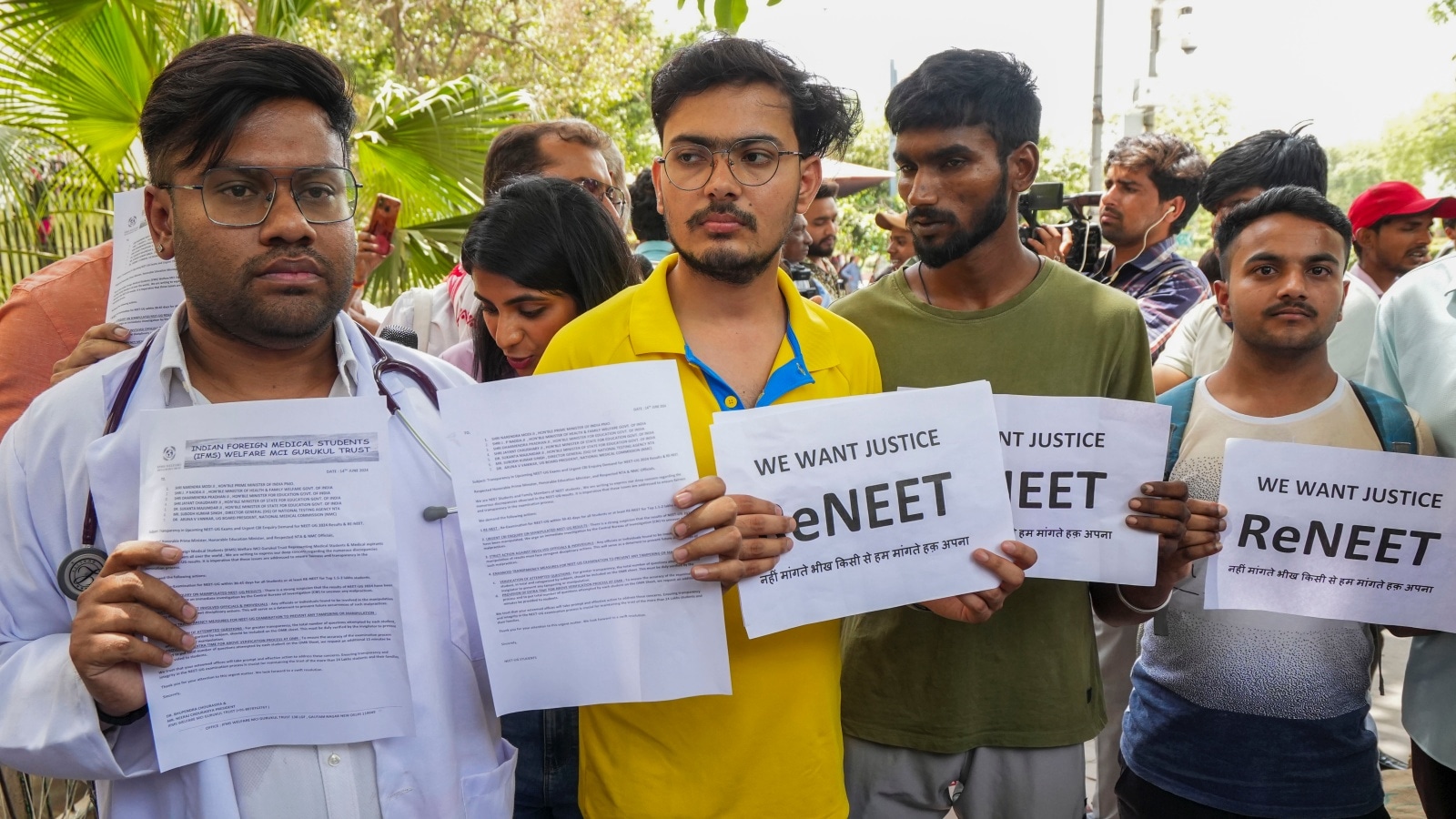
The recommendations come after a period of scrutiny over the way large-scale examinations are conducted. The NTA faced questions over examination security, paper leaks, technology and the role of private agencies in conducting tests. The Centre had also set up expert panels to examine examination reforms and the functioning of the testing system.
SBI Research’s recommendations focus on the structure behind the examination process. They seek to address how NTA is governed, which functions it controls directly, how vendors are monitored and how candidates can seek review when an examination faces a serious problem.
NTA is a registered society under the Societies Registration Act, 1860. It was registered in May 2018. Unlike a statutory authority, it does not have a dedicated NTA Act passed by Parliament that sets out its functions, powers and candidate-related responsibilities.
The Ministry of Education provides policy direction, funding and oversight. Within NTA, the General Body is the apex institutional body.
The Director General is the chief executive. The DG also serves as the Member-Secretary of the General Body and the Chairperson of the Management Committee. This means several important governance and executive responsibilities are concentrated in one office.
The agency broadly has three functional areas. Corporate functions cover administration, finance, legal work and procurement. Technical functions cover research and development and IT infrastructure. Examination divisions handle JEE Main, NEET UG and other examinations.
The examination process also involves external agencies and test centres. This creates a long delivery chain between NTA and candidates.
Staffing is another part of this structure. In July 2024, 171 of 194 disclosed personnel were contractual or outsourced, according to the data examined by SBI Research. This was about 88% of the workforce covered by the data. A high dependence on external personnel and agencies can make responsibility harder to trace when different parts of an examination are handled by different entities.
The first recommendation is a separate NTA law. The Public Examinations (Prevention of Unfair Means) Act, 2024 deals with unfair means and malpractice in public examinations. SBI Research’s proposed NTA Act would serve a different purpose. It would define NTA’s institutional role, governance structure, reporting requirements and responsibilities.
The report also proposes an NTA Board made up of independent experts. Specialists in assessment, technology, examination security, logistics and accessibility would be part of this structure. The Board would approve examination readiness and monitor vendors.
The DG or CEO would remain responsible for execution, but would function below the NTA Board. This would create a clearer separation between oversight and day-to-day administration.
Another major recommendation is a permanent professional NTA team. It would have expertise in assessment, technology, security, examination operations and candidate support.
The proposal is to keep more critical functions within NTA rather than relying heavily on outsourced capacity.
The proposed structure also includes an independent Standards and Appeals Body. It would audit high-risk examination controls and hear final administrative appeals in serious cases.
The recommendations include a Candidate Charter with defined procedures and timelines. It would cover issues such as answer-key challenges, score corrections, postponements, re-tests and accessibility failures.
The report also proposes greater financial and operational transparency. This includes exam-wise accounts, CAG audits and annual reporting on examination incidents, appeals and vendor performance.
The proposed operational chain would run from NTA’s permanent teams to examination programmes, regional teams and state-level arrangements, then to accredited examination centres and candidates.
The broader change proposed by SBI Research is therefore, a clearer division of responsibility. NTA would have a defined legal mandate, a stronger permanent workforce and an expert oversight board. Independent review would sit outside the executive structure.
The recommendations also seek to make accountability, financial reporting and candidate grievance mechanisms more clearly defined.

