What do India's seniors really want from their homes?
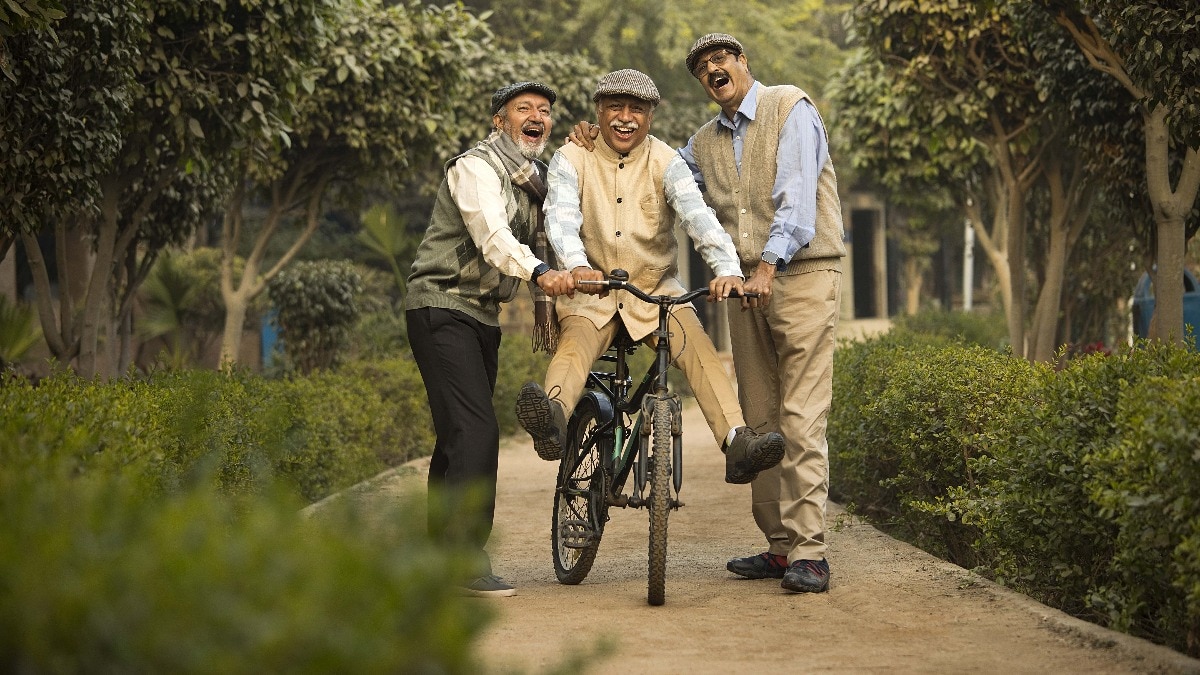
For years, the idea of senior living in India was fairly straightforward: a comfortable home, a few basic amenities and someone around to help when needed.
But what if that is no longer enough?
India’s senior citizen population is set to change the way the country thinks about ageing. According to government data, the population aged 60 years and above is projected to more than double from 100 million in 2011 to 230 million by 2036. By then, nearly one in seven Indians will be a senior citizen.
And as the numbers grow, so could the expectations of this new generation of seniors.
A quiet apartment away from the city may not be enough for everyone. They may want healthcare within reach, opportunities to stay active, places to socialise, wellness facilities and, perhaps most importantly, the freedom to remain independent.
That raises a bigger question: Is India prepared to simply build more homes for its elderly population, or does it need to rethink what senior living actually means?
A new report, 'The Future of Ageing and Longevity Economy in India, 2026', by Colliers India in association with Primus Senior Living, suggests that the answer lies somewhere beyond housing.THE HOME IS ONLY THE STARTING POINT
The report makes a simple but important argument: India’s senior living opportunity cannot be measured by the number of houses or apartments built for older people.
Nearly 75 million Indians aged 60 and above live with at least one chronic condition, according to the report. Around 27% of the elderly have multiple health conditions, while nearly 40% have some form of disability and 20% face mental health-related issues.
That means the challenge is not simply finding more homes for India's elderly population. It is building communities that can support people whose healthcare and care needs may change over time.
Then there is another, less visible concern: loneliness.
A 2025 HelpAge India survey cited in the report found that nearly 47% of respondents across 10 cities identified loneliness as a serious concern.
Put these factors together, and it becomes clear why senior living is beginning to look less like housing and more like an ecosystem of healthcare, wellness, care and community.RETIREMENT IS BEING REDEFINED
There is also a change in how ageing itself is being viewed.
For financially independent seniors, retirement is increasingly becoming a phase for wellness, learning and personal reinvention, rather than simply a period of slowing down. The report estimates that nearly 30% of India’s elderly population is financially independent.
That could change the way senior living communities are designed — and even how they are marketed.
Adarsh Narahari, Founder and Managing Director of Primus Senior Living, said seniors and their families are increasingly looking beyond the traditional idea of a retirement home.
“India's senior living story is moving from necessity to aspiration. Today's seniors and their families are looking beyond just a home, they want community, dignity and an active, purposeful life.”
In other words, the senior living market may increasingly be selling a lifestyle rather than just square footage.THE NEXT GENERATION OF SENIOR COMMUNITIES
That shift also changes what developers need to think about.
A senior living project cannot simply be treated as a conventional housing development with a few extra facilities. The report says developers need to consider access to tertiary healthcare, availability of a suitable workforce, social infrastructure and the depth of the local catchment while selecting locations.
Ankur Gupta, JMD, Ashiana Housing, said the sector is moving beyond the traditional idea of housing and retirement.
“The next shift will focus on creating environments that enable individuals to lead active, independent lives in high-quality homes for the long term, while ensuring access to necessary support and care tailored to their evolving needs as they age.”
That also means one model may not work for everyone.
Some seniors may want an active community with wellness and recreation at its centre. Others may need greater assistance with healthcare and daily living. A successful ecosystem will have to accommodate these changing needs rather than treating all seniors as one homogeneous group.SENIORS WANT TO STAY CONNECTED
There is another idea emerging from the report: ageing does not necessarily mean moving away from the life one has built.
Many seniors want to remain close to family, friends, healthcare facilities and familiar social networks.
Aakash Ohri, MD and CBO, DLF, said the aspirations of this generation extend beyond basic comfort and care.
“Their aspirations extend far beyond comfort and care. They seek purpose, connection, independence and the freedom to continue living life on their own terms.”
That could mean the future of senior living will be less about isolated retirement enclaves and more about integrated communities that keep residents connected to the wider city.WHY NRIs COULD BE AN IMPORTANT DEMAND DRIVER
The demand story is also closely linked to migration.
The report points to states such as Kerala, Punjab, Maharashtra, Gujarat and Andhra Pradesh, which have high NRI out-migration, as showing stronger interest in senior communities. Southern India accounts for more than 60% of organised senior living and senior care projects, according to the report.
For NRIs, organised senior living can also offer a way to support ageing parents from afar.
That is also influencing where developers are looking.
Rishabh Periwal, Senior Vice President, Pioneer Urban, said the market is spreading across both established and emerging cities.
“Tier 1 hubs like Gurugram are anchoring towards premium projects, with major players launching luxurious, service-led communities for affluent seniors. Meanwhile, tier 2 cities like Vrindavan, Coimbatore, Dehradun, and Varanasi offer scalable opportunities, since land costs are lower and healthcare infrastructure catching up fast.”
So, the next senior living hotspots may not necessarily be the places traditionally associated with retirement.SENIOR LIVING IS NO LONGER JUST A REAL ESTATE PLAY
For developers and investors, this is where things get interesting.
Senior living is not a typical build-and-sell business. Residents may stay for years, and the quality of services can directly influence whether a community succeeds.
That makes occupancy, staffing, healthcare partnerships, resident retention and service quality important parts of the business model.
Digbijay Das, Senior Director, Valuation & Advisory Services at Colliers India, said investors will have to look beyond the land and the building.
“For investors and developers, the opportunity is significant, but it demands a fundamentally different underwriting approach — one that prioritises micro-market readiness, operating capability and long-term trust over land economics and development margins.”
The building may attract a resident, but the experience may determine whether they stay.THE REAL PRODUCT COULD BE TRUST
Ultimately, India’s ageing story is not simply a housing story.
The country will certainly need more homes for its growing elderly population. But those homes will have to sit within an ecosystem that can provide healthcare, care, companionship, recreation, wellness and financial transparency.
The report’s message is therefore fairly clear: senior living cannot be treated as a one-time real estate transaction. It is a long-term service business built around people whose needs can change as they age.
And perhaps that is where the real opportunity lies.
The future senior living community may not be defined by how impressive its homes are, but by how well it helps residents live independently, stay connected and age with dignity.- EndsPublished By: Jasmine anandPublished On: Sep 24, 2026 08:00 IST