What Has Kash Patel Said at Senate Hearing? FBI Director Speaks on Hiring, Bestiality - Newsweek
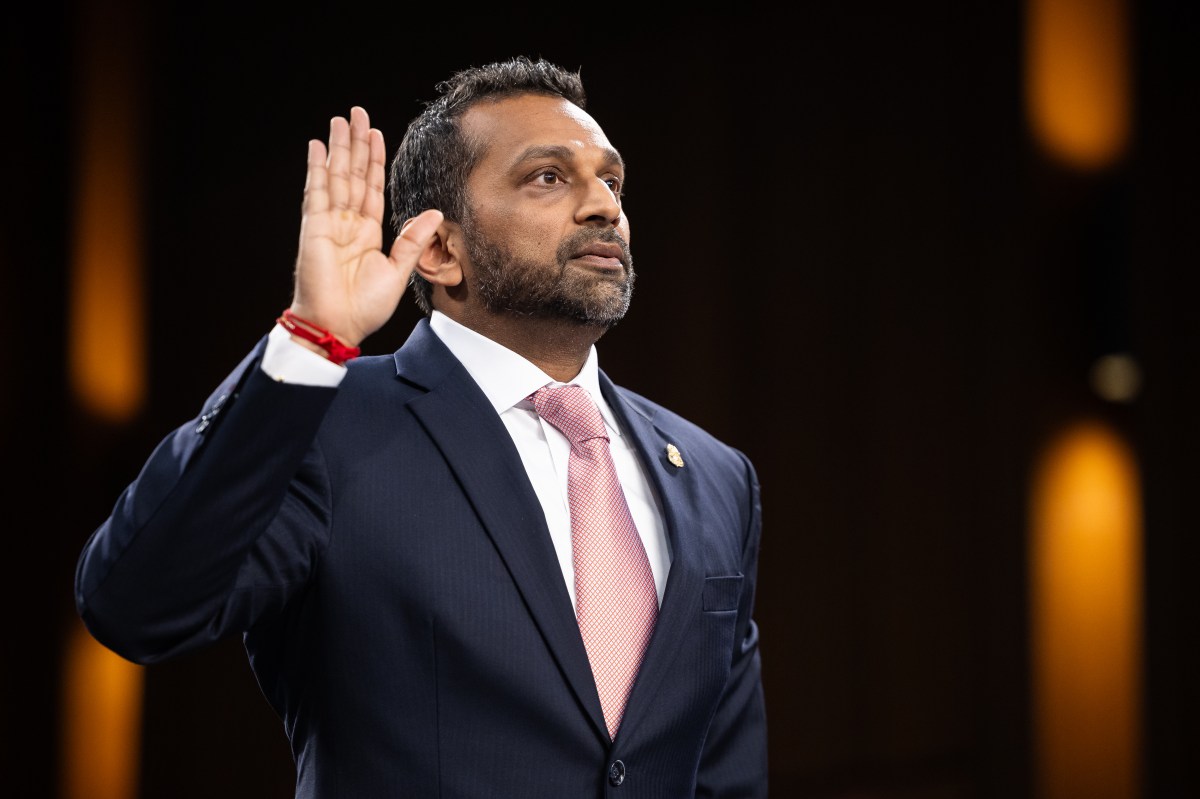
FBI Director Kash Patel defended changes to the bureau's hiring standards during a Senate Judiciary Committee hearing Tuesday, arguing that the policy revisions were designed to ensure victims of human trafficking and abuse are not automatically barred from serving in law enforcement.
Patel faced pointed questions from Senator John Kennedy, a Louisiana Republican, about reports that the FBI had modified rules governing applicants with histories involving prostitution, human trafficking and bestiality-related incidents.
He insisted the changes do not allow people who voluntarily engaged in criminal sexual conduct to become FBI agents but instead give officials flexibility to consider applicants who were forced into such acts as victims.
"If he voluntarily did it, sure," Patel said when Kennedy asked whether someone who willingly engaged in bestiality should be disqualified. "But if he was trafficked into it...human traffickers...don't just traffic you for prostitution; they traffic you for degrading acts of all kinds," Patel said.
The hearing comes as the FBI faces scrutiny over multiple investigations as well as recruiting and retention under the Trump administration.
Andrew McCabe, a former FBI deputy director who spent more than two decades at the bureau, told CNN on Tuesday morning that he found the discussion of bestiality-related hiring standards during the Senate hearing bewildering and difficult to justify.
"I don't ever, ever remember hearing the word bestiality at work," McCabe said, calling it "mind-boggling" that the bureau would alter an automatic employment disqualifier in a way that sparked such controversy.
McCabe said that even if Patel's explanation is accepted at face value and the policy change applied only to victims of bestiality, he does not believe the rationale holds up. He noted that the qualification "was never there" when the rule change was initially presented publicly. He also argued that rare and unusual cases would not typically require a formal policy revision because hiring disqualifications can already be appealed on an individual basis.
"It's hard to understand how this is even relevant," McCabe said. "It's even harder to understand how a director of the FBI would have engaged in this sort of a rule or process change because it generates exactly what we're doing now, talking about the FBI in a bizarre and negative way."
He added that FBI leaders generally seek to avoid actions that draw attention to the bureau for unusual or controversial reasons, saying such discussions are "not something that past FBI directors want to encourage."
Patel appeared before the Senate Judiciary Committee Tuesday as lawmakers examined changes made during his tenure, including revisions to the FBI's employment eligibility standards.
The hearing followed reporting that the bureau removed some automatic hiring disqualifications that had existed for years. Senate Democrats have demanded records explaining the changes and questioned whether the FBI is lowering standards to address staffing shortages.
In September, Democrats on the Senate Judiciary Committee sent Patel a letter questioning the hiring changes, noting that the FBI lost more than 1,100 special agents in 2025, with departing agents averaging nearly 22 years of experience. They also pointed to the departure of more than 5,000 career personnel, all six former executive assistant directors, and at least 18 special agents in charge as part of broader workforce changes at the bureau.
Critics have argued that loosening automatic disqualifiers could weaken standards at the nation's premier federal law enforcement agency, while supporters say the changes recognize that some applicants may have been victims of abuse rather than willing participants in criminal conduct.
The issue drew national attention after reports emerged that the bureau had revised some of its background investigation criteria, prompting questions from lawmakers and former FBI officials.
Researchers from the 2019 study Arrest and Prosecution of Animal Sex Abuse (Bestiality) Offenders in the United States, 1975–2015, identified 456 arrests involving animal sex abuse offenses over the 40-year period, highlighting the rarity of such cases in the United States.
The study, published in the Journal of the American Academy of Psychiatry and the Law, found that most defendants were adult men and that convictions frequently resulted in incarceration, underscoring how law enforcement and courts have generally treated bestiality as a serious criminal offense.
Patel told senators the changes were not intended to lower standards but to allow case-by-case reviews of unusual circumstances.
The most contentious exchange centered on why bestiality appeared in revised hiring guidance, underscoring the political sensitivity surrounding FBI hiring practices at a time when the bureau has sought to expand recruitment while maintaining public confidence in its vetting process.
Patel said the policy language addressing prostitution, trafficking and bestiality was developed by FBI officials before he arrived at the bureau but was later presented to him for approval. He acknowledged that his initial reaction was skepticism.
During the hearing, Kennedy repeatedly pressed Patel on why the guidance included bestiality at all. Patel said his initial reaction was similar to the lawmakers' concerns.
"That was my initial response, senator," Patel said. "But they then explained to me and showed me cases in which people were forced into it and had applied to the FBI."
"It's not an automatic disqualification. That's all," he added.
The bureau changed several rules that had previously resulted in automatic disqualification for applicants in June. Democrats on the Senate Judiciary Committee questioned the hiring changes in their September letter, saying, "These are not minor technical adjustments."
"They represent a considered decision to open the Bureau’s ranks to individuals who engaged in conduct that the FBI previously treated as disqualifying—and that, in the case of solicitation of prostitution, controlling Department of Justice policy describes as 'threaten[ing] the core mission of the Department, not simply because it invites extortion, blackmail, and leaks of sensitive or classified information, but also because it undermines the Department’s efforts to eradicate the scourge of human trafficking,'" the letter read.
Patel told senators the policy language covering prostitution, bestiality and trafficking was drafted before his arrival as FBI director, but he approved the revisions after reviewing examples involving trafficking victims.
He emphasized that the bureau is not seeking to hire people who willingly engaged in criminal sexual acts and clarified that someone who voluntarily had sex with an animal should not be eligible to become an FBI agent.
The FBI has previously pushed back on suggestions that it is lowering standards for criminal conduct, saying reports characterizing the policy changes as allowing applicants with disqualifying sexual offenses to join the bureau are misleading and that the agency continues to maintain rigorous suitability requirements for all candidates.
As lawmakers continue to scrutinize the revisions, Patel's testimony marked the bureau's most detailed public explanation yet for why the changes were made and how the FBI intends to apply them.
Contact Newsweek editors on this story: Gabe Whisnant and Sam Wilson.