What prompted Kerala govt to dig up old vigilance case against Gyanesh Kumar?
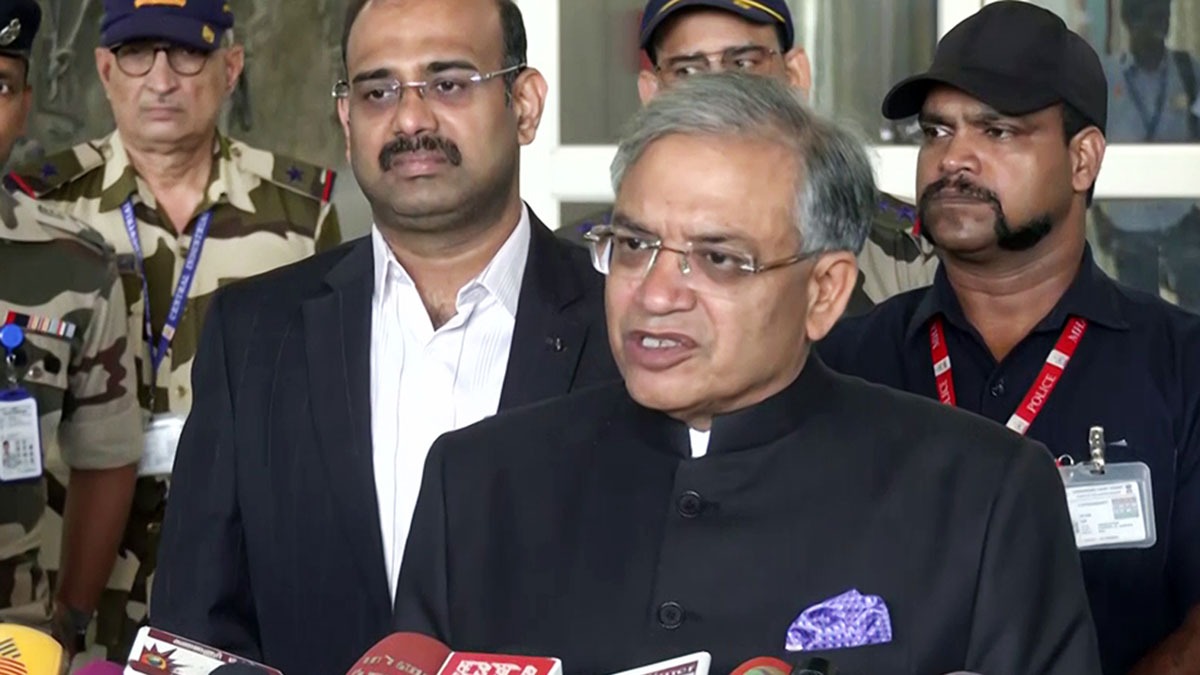
An old vigilance case in Kerala against chief election commissioner Gyanesh Kumar, while he was public works department (PWD) secretary in the state, has reared its head 20 years on.
The Congress-led government has reopened the case pertaining to a major road project undertaken by PATI-BEL, an Indo-Malaysian joint venture. The 2006 case, prompted by the death by suicide of the project’s manager Lee See Been, was closed in 2011, citing lack of evidence.
Kerala home minister Ramesh Chennithala announced on October 4 that after consultations with chief minister V.D. Satheesan, state Vigilance and Anti-Corruption Bureau (VACB) director Manoj Abraham had been instructed to initiate a comprehensive probe in the case.
The move coincides with Opposition pressure building up nationally for Kumar’s resignation over the Election Commission’s handling of the Special Intensive Revision (SIR) of voter rolls and purported differences within the poll body over the contentious process that has disenfranchised millions of people.
The PATI-BEL case had hogged headlines as Lee See Been, a Malaysian native, was found hanging in Kuala Lumpur in November 2006. This was after the V.S. Achuthanandan-led communist government of the time stopped payments for the project and initiated penalties for alleged delays. Following Lee See Been’s death, the government ordered a vigilance probe against the PWD and its secretary Kumar.Media reports had then claimed that elements in the government had demanded bribe for settling unpaid bills. It is not clear if the suicide note found by the Malaysian police had mentioned any names.
A former Kerala DGP (director general of police) and director of vigilance, speaking anonymously, told INDIA TODAY that Kumar, as then PWD secretary, would have executed the cabinet’s decisions and was arguably not liable for punishment.
“Ordering a comprehensive probe against Gyanesh Kumar in a case that was closed by the vigilance department years ago will only serve as media hype, especially if the fresh move is based on old news reports. It would end up in a preliminary probe and add to another unresolved case of the department,” the former officer argued.
He pointed out that then chief minister Achuthanandan had in early 2007 allowed Kumar to go on central deputation as joint secretary in the ministry of defence. Congress leader A.K. Antony was the defence minister. Without vigilance clearance, how could a chief minister have allowed Kumar, a Kerala cadre IAS officer, to proceed on central deputation, asked the former vigilance chief.
Also, the vigilance probe was initiated when former Kerala DGP Upendra Varma was heading the VACB. Varma was an upright officer known to never bend rules. Moreover, the Satheesan government’s pursuance of the case now would lack merit if found to have been initiated merely for political purposes.
In Kerala, Kumar is considered by many as an efficient officer since his days as assistant collector under training at Fort Kochi in 1989. The following year, he became the sub-collector of Adoor in Pathanamthitta. One of his key postings was as the district collector of Ernakulam when Antony was chief minister in 2001. Kumar held that office for three years. His proximity with Antony is thought to have culminated in the central deputation in the ministry of defence.
“As an IAS officer, Gyanesh Kumar was brilliant. He had an eye for detail and precision for the variables of delivery,” said a retired Kerala cadre IAS officer. “However as chief election commissioner, he has disappointed us. His second avatar in BJP trousers is totally unbecoming of the ‘GK’ we all loved.”