When art crosses a line: Sneaker advert sparks outrage over KKK imagery - IOL
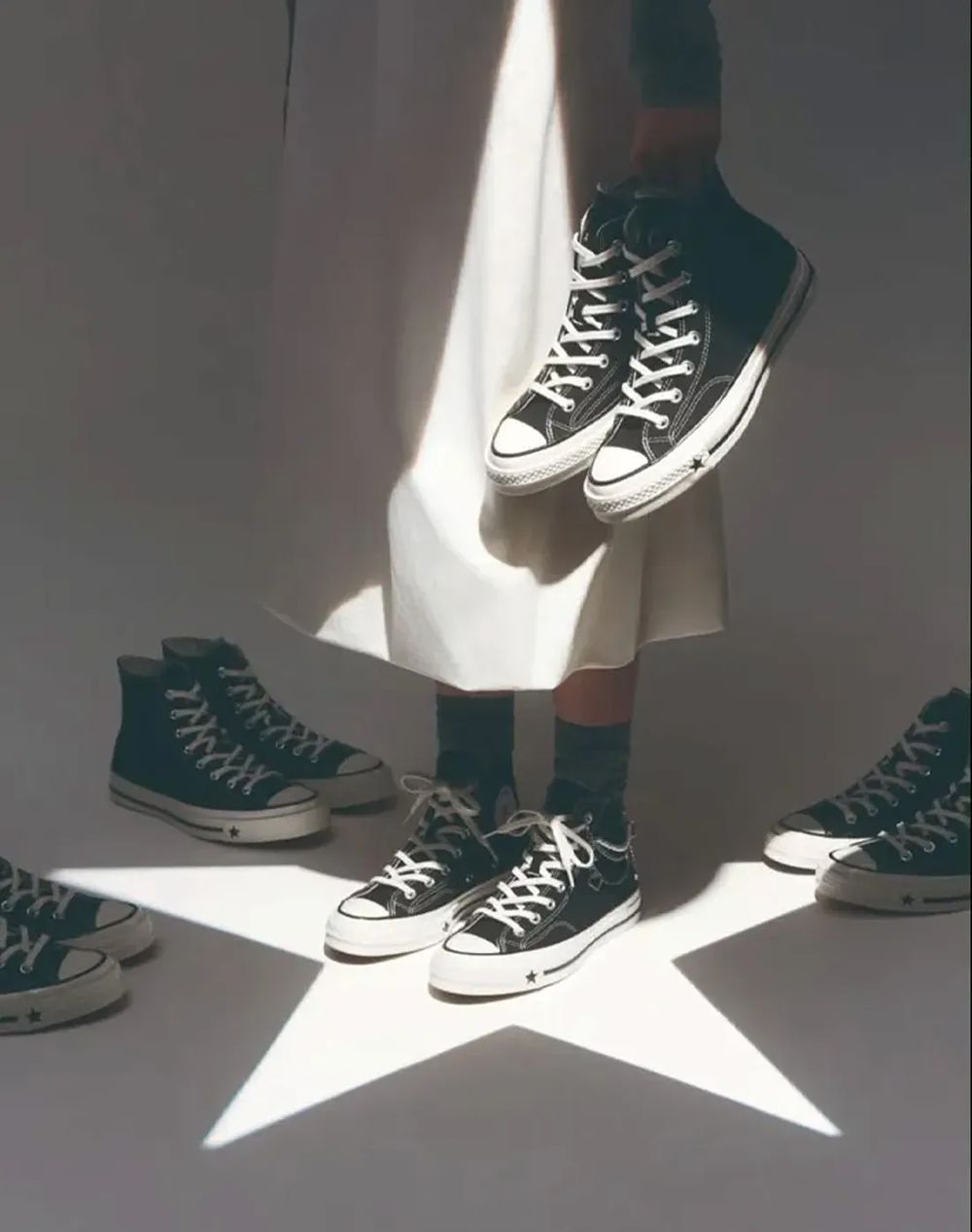
American sneaker manufacturer Converse was compelled to issue an apology and remove an advertisement earlier in September 2026 after social media users expressed disapproval of what they believed to be KKK imagery.
Online commenters criticised the photo shared on the company's Instagram account, claiming that the lighting in the image resembled a white pointed hood.
The appearance of the lynching victim and a pair of shoes that hung in the picture were also compared by social media users.
Blair Monique Walker, a well-known American branding and marketing specialist, articulated her disgust succinctly on Instagram: "I am utterly repulsed by the Converse commercial that is going around.
''As a creative professional, I understand that advertising doesn’t just magically appear online. There are concepts, photographers, creative direction, edits, reviews, approvals, brand teams and somehow an image that so clearly evokes the horrific imagery of the KKK and the lynching of Black people made it all the way to publication.
Walker's statements echoed a growing sentiment that the image should never have seen the light of day.
''Whether someone wants to claim that it was 'intentional' or “just unfortunate imagery” misses the greater point altogether. When your visual immediately causes people to see one of the most violent and traumatic symbols in American history, the response shouldn’t be to explain away what people are seeing. The question should be: HOW DID NOBODY STOP THIS?'' Walker said.
A thumbs down was given to Converse creativity.
''The KKK is not a creative inspiration,'' Walker said.
''Black trauma isn’t a toy to be played with for shock value, engagement, or edgy advertising.''
The Blairmonique added that removing the post after it has angered people doesn't deal with the more serious problems with the approval and creative process that allowed it to be published in the first place.
''Converse owes the public more than a deleted image. There needs to be accountability, an explanation, and serious reflection on who is sitting in the rooms where these creative decisions are being made.
''Converse recently removed an image promoting one of its sneakers after people said the composition appeared to show a Ku Klux Klan hood in front of the dangling feet of a lynching victim.''
"Maybe that was never the photographer's intention," said Peterson, attempting to put herself in the company's position. ''We don’t know, but once you see it, it is difficult to unsee.
''And when many people independently see the same disturbing imagery, a brand cannot dismiss that as people simply interpreting art differently.
''There were several choices made here, and each one told a story about the brand.
''The first was the choice to approve the image.
Before it was published, an advertisement for a company the size of Converse was probably seen by a number of people, Peterson contended.
''Did no one see the potential interpretation? Did someone see it but not feel comfortable saying anything? Was a concern raised and dismissed because the creative team understood what the image was “supposed” to mean?
''We don’t know. But every possibility raises important questions about the people and processes behind the brand.
''The second choice came when the audience pushed back.
''Converse could have defended the artistic intent. It could have tried to explain what the image was meant to represent. Instead, the company removed it.
Converse has since issued an apology after receiving a lot of criticism for the imagery: "We're sorry.
“We understand why this image is deeply upsetting and recognise that we got this wrong.”
In 2018, H&M showcased a young Black child wearing a green hoodie with the words "Coolest monkey in the jungle" printed on it.
When campaigns miss the mark on understanding the cultural context, use tone-deaf messaging, or accidentally tap into racist iconography, major brands often suffer the wrath of the public, issue apologies, and pull marketing materials.
One of the most recent controversial advertising campaigns was Starbucks Korea in early 2026.
The coffee chain's South Korean branch launched a promotional campaign that appeared to reference the violent 1980 military crackdown of the Gwangju Uprising. The backlash caused a major drop in sales and led to the dismissal of the head of Starbucks Korea.
In addition, American Eagle in 2025 had an ad campaign featuring actress Sydney Sweeney with the tagline "Great Jeans". This drew internet criticism over perceived undertones tied to genetic traits and eugenics imagery, though the brand later stated it successfully expanded its customer base.
In a 2017 Pepsi commercial, Kendall Jenner participated in a street demonstration and gave a police officer a can of Pepsi. The advertisement was criticised for trivialising significant social justice movements and real police encounters.
A brief social media video in 2017 promoting Dove body wash featured a Black woman taking off her top to expose a white woman underneath. Due to widespread criticism that the advertisement was overtly racist, Dove was forced to halt the campaign and formally apologise.
In 2018, H&M showcased a young Black child wearing a green hoodie with the words "Coolest monkey in the jungle" printed on it. Before the retailer removed the image, the racially offensive pairing sparked boycotts and widespread outrage.
Critics say creative and decision-making teams often lack people of colour in empowered positions who can identify and flag offensive or stereotypical concepts before production.