When mothers are murdered, families, communities bleed for generations - IOL
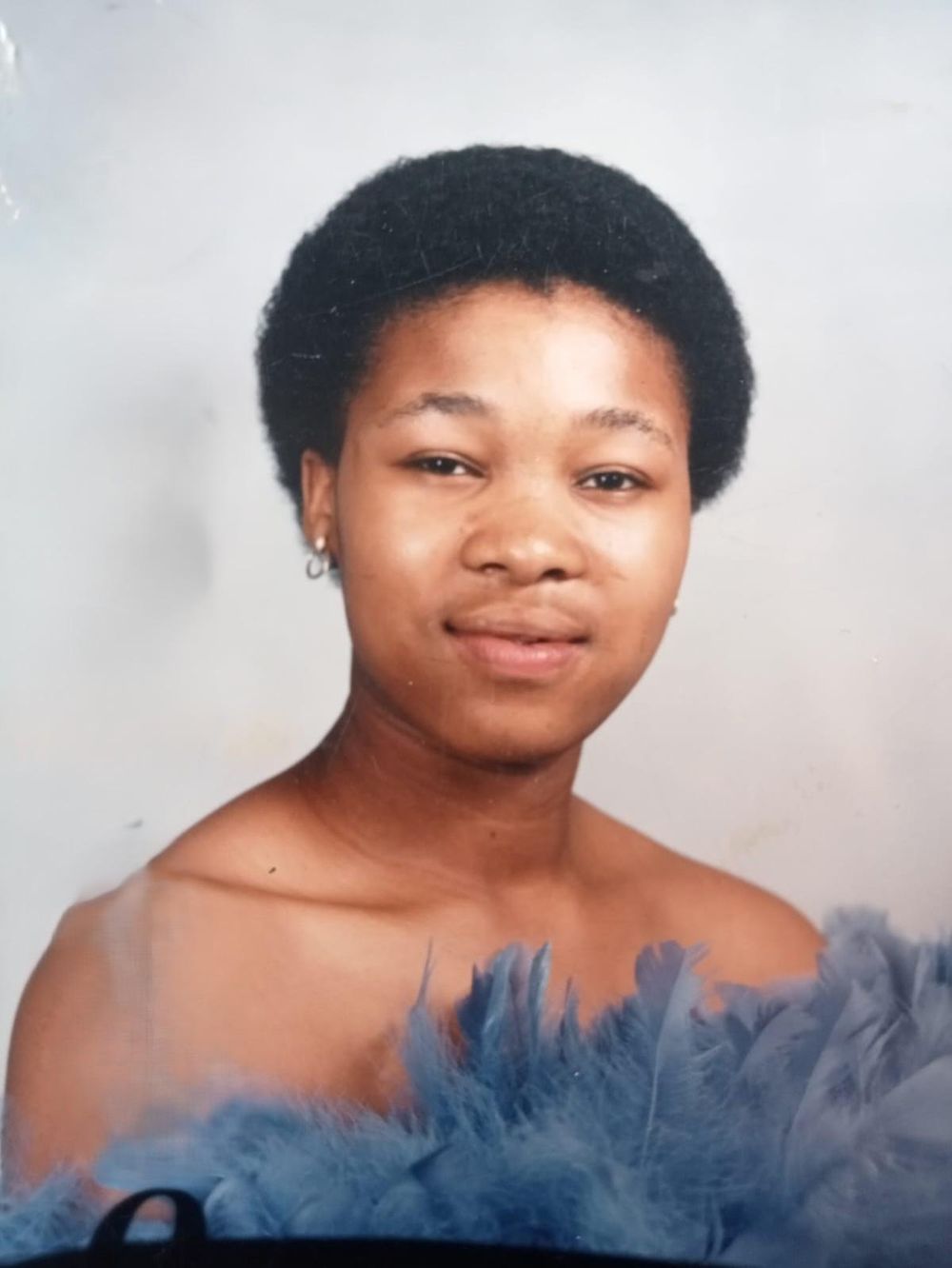
The death of Elizabeth “Tsontso” Moselakgomo has reopened a family wound for veteran journalist Mkhuma, whose sister Pearl “Kokozi” Mkhuma was killed in 2008. Their stories expose the lasting damage violent crime inflicts on children, families and communities.
The killing of 38-year-old Elizabeth “Tsontso” Moselakgomo has ripped open wounds I thought had long scarred over. Her story mirrors that of my sister, Pearl “Kokozi” Mkhuma, who was murdered in 2008 also at 38, and left discarded near the New Canada railway lines.
Both were young mothers, both vibrant, both full of life, and both reduced to lifeless bodies abandoned in places where no human being should ever be left. The similarities are haunting - their energy, their smiles, their love of life. It is as if history has repeated itself, mocking our grief, reminding us that the violence consuming our society spares no one.
When Kokozi was killed, she had left with a man she knew. Hours later, she was found shot and lifeless. The disbelief was overwhelming. I imagine Tsontso’s family is living through the same nightmare, unable to reconcile the image of their loved one with the brutality of her death.
These women were not statistics; they were mothers, daughters, sisters, and friends. They were human beings whose lives mattered. Yet their killers treated them as disposable, stripping them of dignity even in death.
The pain of such loss is compounded by the children left behind. Tsontso’s eight‑year‑old daughter will grow up without her mother’s embrace. My sister’s children were only four and ten when she was murdered, and we were forced to raise them in the shadow of her absence.
This is the cruel legacy of violence: it does not end with the victim, it reverberates through families, communities, and generations. It leaves children scarred, parents broken, siblings hollowed out by grief.
We live in a society where safety is never guaranteed, where the fear of violence stalks us daily. And yet, this was not the dream we had when apartheid ended. We believed we were building a better South Africa, one where our daughters could walk freely, cycle to school, and live without fear of being stopped, harassed, or killed. That dream feels shattered.
Yes, we should be shocked but not surprised because South Africa is one of the most violent societies in the world, averaging 58 murders a day. While men make up the majority of homicide victims, women are disproportionately killed by intimate partners. The statistics are staggering, but they are not abstract. They are lived realities, embodied in the faces of Tsontso, Kokozi, and countless others who have died at the hands of men.
There is an uproar and rightfully so, when women are killed because by nature women are the most vulnerable and need protection from men. However, we seem to have normalised violence against men, and that normalisation is our greatest failure.
We have accepted the killing of men as routine and we don’t shout and scream about it, and in doing so, we have created a culture where violence against women is inevitable. If men are unsafe, how can women ever be safe?
We must confront the root of this violence and the fact that men are killing men at alarming rates. Estimates suggest that over 90% of killers of men are themselves men. This cycle of brutality cannot be ignored because it spills over into the vulnerable of our society.
If our communities are saturated with men who are dangerous to other men, then women and children will always be vulnerable. We cannot separate gender‑based violence from the broader epidemic of violence. To end femicide, we must first dismantle the culture of violence that has engulfed our society.
Solutions must be bold and uncompromising. We need to rebuild communities where life is valued, where killing is unthinkable.
It means strengthening policing and demanding accountability from a system that too often fails victims. And yes, it means debating justice - whether our society is ready to reintroduce the death penalty for those who kill with impunity like the killer or killers of the 6 women in Ekurhuleni. If we can accept that bank robbers can be shot on sight, why do we hesitate to punish murderers with equal severity?
But solutions cannot stop at punishment. We must also invest in prevention. That means tackling poverty, unemployment, and inequality, which fuel desperation and violence. Having police visibility – not just a police van rushing off to somewhere – but those slow-moving cars watching and looking out for the citizens.
It means providing mental health services to communities ravaged by trauma. It means supporting families so that children grow up in environments of love rather than violence. It means building a culture where every life – male or female – is sacred.
I refuse to see violence only through the lens of gender. Violence is a national crisis, a plague that devours men, women, and children alike. To focus only on women’s deaths while ignoring the normalisation of men’s killings is to miss the bigger picture.
Every life lost is a tragedy. Every murder is a failure of our society. We must fight for a South Africa where no one – man, woman, or child – is disposable.
The deaths of Tsontso and Kokozi remind us that violence is not just statistics, it is personal. It is the empty chair at the dinner table, the child crying for a mother who will never return and the sibling haunted by memories of laughter now silenced.
It is grief that never fades, anger that never subsides and pain that never heals. But it must also be the catalyst for change. We cannot allow their deaths to be in vain. We must demand a society where life is cherished, where killers are held accountable, and where children can grow up free from fear.
The question is whether we will continue to normalise the bloodshed or whether we will rise to stop it. The answer lies in our collective will to confront violence in all its forms, to refuse to accept murder as inevitable and to fight for a future where every life matters.
Only then will we truly honour the memory of Tsontso, of Kokozi – the six women whose bodies have been found in Ekurhuleni – and countless other South Africans whose lives were stolen, by standing together and working as communities, as men and women, to protect and uplift one another.
* Mkhuma is a veteran journalist, former editor of the Pretoria News, and Editor: Higher Education Media Services.
** The views expressed do not necessarily reflect the views of IOL or National Media Group.
The death of Elizabeth “Tsontso” Moselakgomo has reopened a family wound for the writer, veteran journalist Zingisa Mkhuma, whose sister Pearl “Kokozi” Mkhuma was killed in 2008. Their stories expose the lasting damage violent crime inflicts on children, families and communities.