Who Is Greg Lui? CEO Accused of Smuggling $300m of AI Tech To China - Newsweek
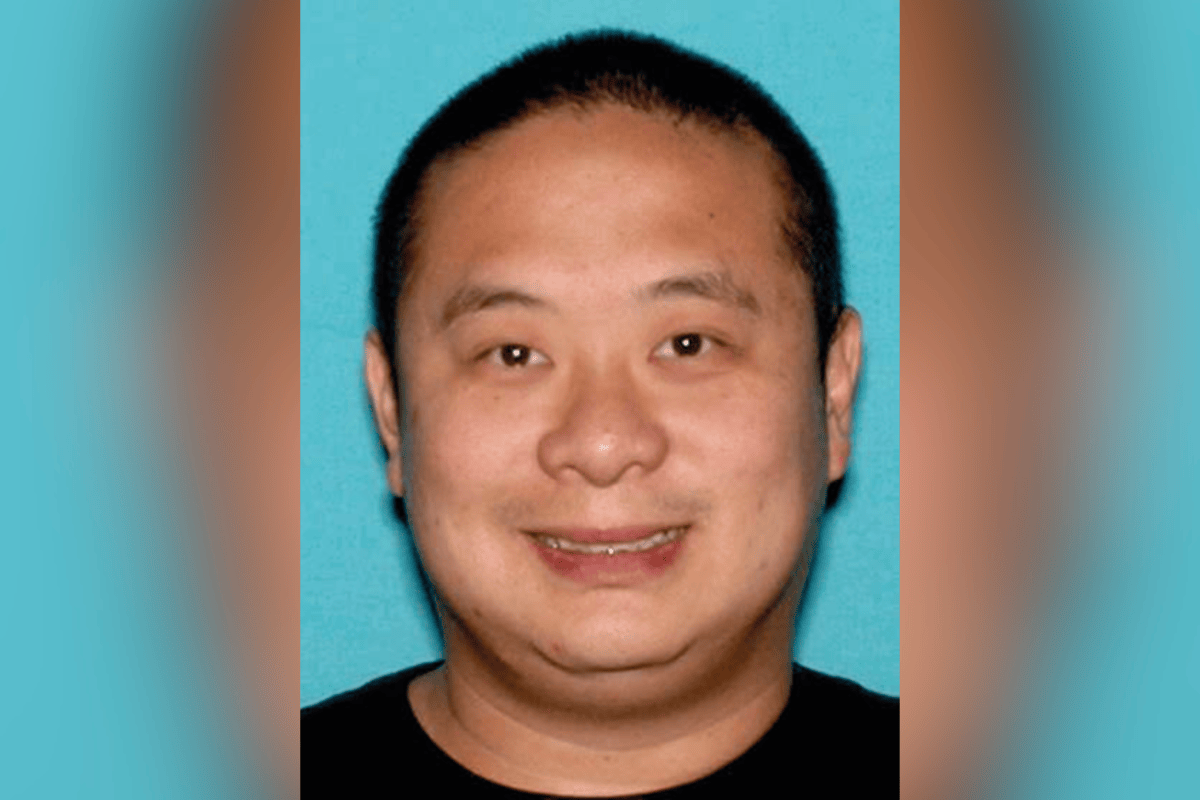
A California technology entrepreneur accused of helping move more than $300 million worth of export-controlled computer servers to China is at the center of one of the largest recent U.S. cases involving advanced artificial intelligence hardware and export restrictions.
Federal authorities arrested Greg Lui, 38, on Thursday, alleging he orchestrated a scheme to send high-end computer servers containing advanced U.S.-made graphics processing units, or GPUs, to China through third countries in violation of federal export-control laws.
Lui, also known as Yiu Kong Lui, faces charges of conspiracy to violate export-control regulations, smuggling, and conspiracy to commit money laundering. If convicted on all counts, he could face up to 50 years in prison.
According to federal prosecutors, Lui owns Earthmade Computer Inc., a technology company based in the City of Industry in Los Angeles County.
Public business profiles show Earthmade was founded in 2021 and operated in areas including server procurement, technology infrastructure, and data-center services.
According to public profiles, Lui's technology career began with work in hosting and colocation services before he launched Earthmade Computer. The company marketed itself as a provider of server procurement, infrastructure, and data-center solutions, placing it in the fast-growing market for advanced computing hardware during the boom in artificial intelligence investment.
Before entering the technology sector, Lui was involved in the restaurant business. Public profiles indicate he helped launch a San Gabriel Valley restaurant specializing in Sichuan cuisine before later transitioning into technology and data-center operations.
Authorities allege Earthmade became the vehicle through which export-controlled AI hardware was purchased and routed overseas.
The Justice Department said Earthmade received more than $176 million from two Malaysia-based shipping companies between January and October 2024 as part of the alleged operation.
Newsweek has reached out to Earthmade via email for comment after regular business hours.
According to the indictment, Lui and his co-conspirators acquired export-controlled computer servers containing advanced GPUs commonly used in artificial intelligence applications.
Prosecutors say the operation relied on a practice known as transshipment, in which goods are routed through intermediate countries before reaching their final destination. U.S. authorities have increasingly focused on such arrangements as companies and individuals seek to evade export restrictions on advanced chips, servers and other technologies subject to national-security controls.
The government alleges the servers could not legally be exported directly to China without special licenses from the Commerce Department.
Instead, prosecutors say the equipment was shipped to countries including Malaysia and Singapore, where export restrictions were less stringent. Once there, the servers were allegedly forwarded to buyers in China.
Investigators also accuse Lui and others of providing U.S. manufacturers with false documentation that concealed the equipment's true destination.
One example cited in court filings involves a January 2024 purchase of 27 servers worth roughly $7.6 million, shipped from Los Angeles to Kuala Lumpur. Prosecutors say a co-conspirator later acknowledged that the servers had been forwarded to a China-based buyer.
The government alleges the broader operation moved more than $300 million worth of restricted technology.
The charges come as the United States continues tightening restrictions on advanced computer chips and AI-related hardware destined for China.
Washington has argued that the most sophisticated semiconductors and computing systems can be used for military, intelligence, and surveillance purposes, making them a national-security concern.
According to prosecutors, the servers involved in the case contained GPUs commonly used in advanced artificial intelligence systems, which the Trump administration now refers to as "Super Intelligence."
Assistant Attorney General John Eisenberg described AI chips as one of the country's most strategically important technologies.
Federal officials allege Lui knowingly circumvented export rules designed to prevent advanced American technology from reaching prohibited users.
The FBI, the Commerce Department's Bureau of Industry and Security, and the Defense Criminal Investigative Service are investigating.
Lui has been charged but not convicted. The allegations are contained in a federal indictment, and he is presumed innocent unless proven guilty in court.
The federal court docket did not identify legal counsel for Lui, according to Bloomberg.
Newsweek’s reporters and editors used Martyn, our AI assistant, to produce this story. Learn more about Martyn here.