Why a plunge in asylum claimants is helping Ontario cities overhaul their strained shelter systems
Federal policy shifts have led to fewer asylum claims — and governments are changing how refugees are housed.
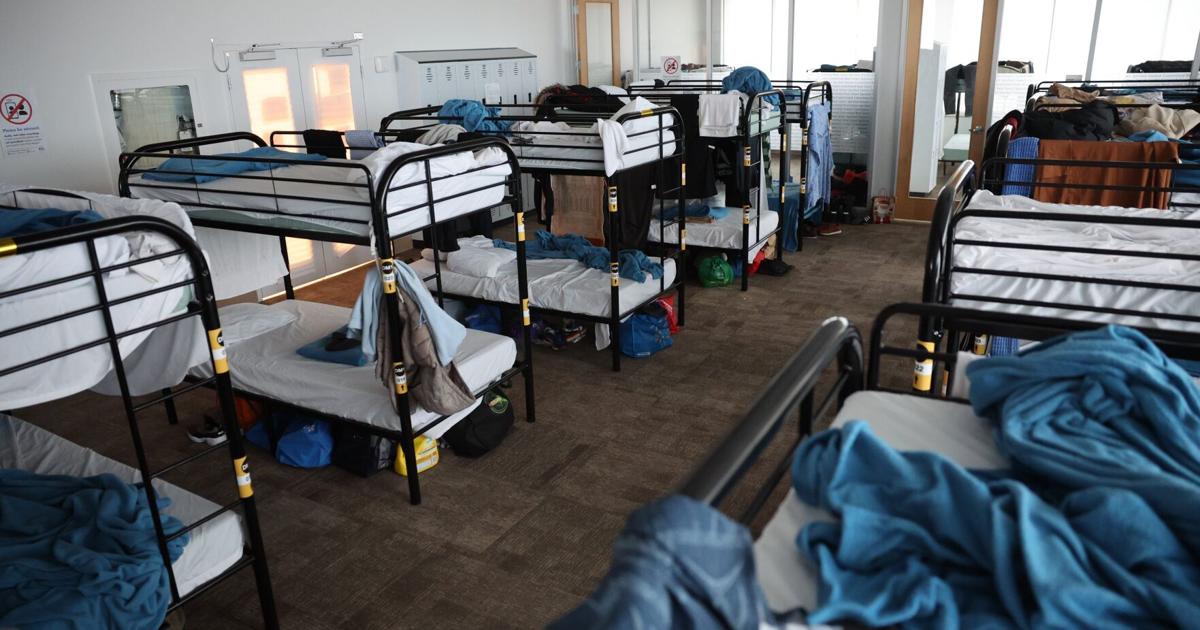
Bunk beds are pictured at the Peel Reception Centre in Mississauga in Janurary 2025, not long after it opened. It has 680 beds for adult refugee claimants and is meant to be their first stop after arriving at Pearson airport.
It was frigid and snowy when Kimberly landed in Toronto from Uganda, seeking asylum with her four-year-old daughter.
They only had enough money to stay at an Airbnb for three days. The single mother kept calling the city’s emergency hotline, but all shelters were full.
When Kimberly finally mentioned that her child couldn’t bear the cold outside, the person on the phone said the best they could do was to bus her and her daughter to a hotel in Niagara Falls.
The 40-year-old woman, a former banker and business development consultant in Kampala, agreed. “We just needed a place where my daughter would have warmth.”
Kimberly said she fled persecution over her advocacy work for victims of gender violence, arriving in Canada in December 2024. The Star is not publishing her last name as she still has a pending refugee hearing and fears for her safety.
Moving from federally funded hotel to hotel in Niagara Region, she would take the bus and sometimes walk a distance to look for housing and jobs after dropping off her daughter at school. Every landlord would ask for guarantors that she didn’t have, and every job opening would see hundreds of applicants lining up.
Every day when she returned to the hotel, she had to report to caseworkers where she had been to look for housing and jobs, pressured to move out of the shelter system.
The case of a 33-year-old Haitian man who crossed from the U.S. highlights obstacles for migrants from certain countries in getting cases resolved.