
‘Why are taxpayers still funding it?’ MPs grill Mashatile over Operation Prosper - IOL
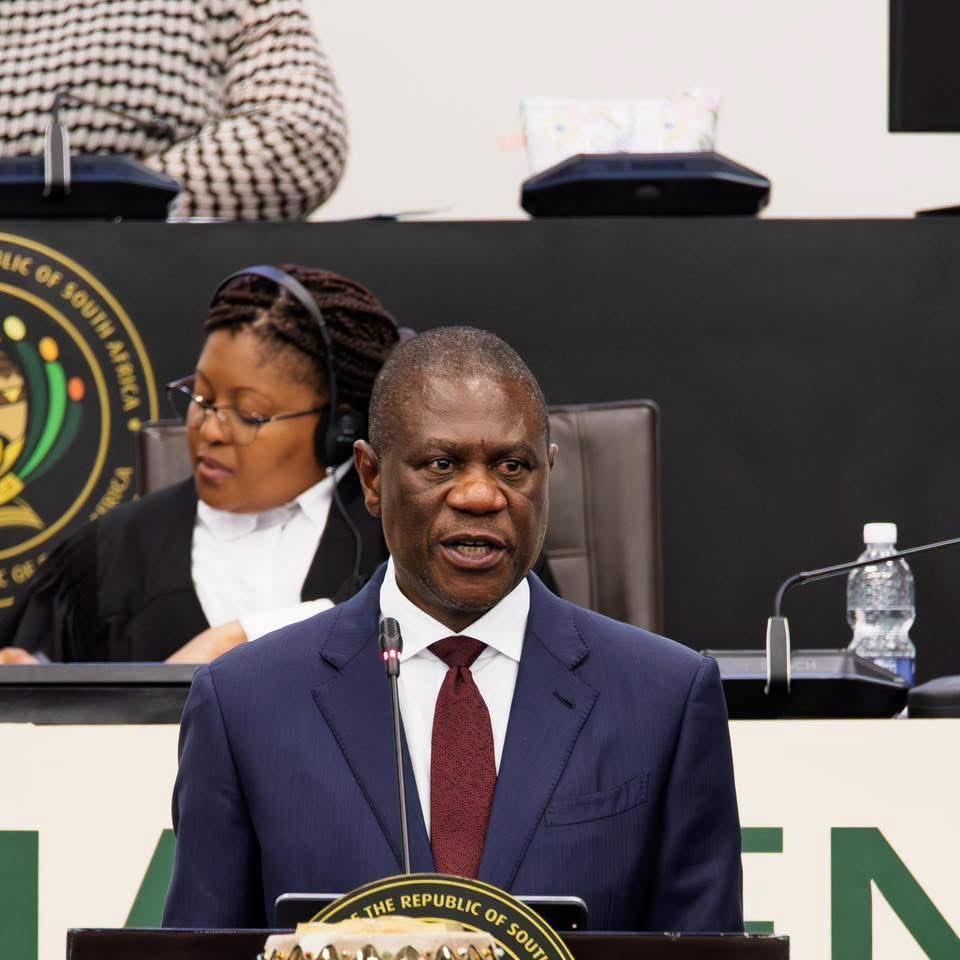
Deputy President Paul Mashatile has defended Operation Prosper, insisting government will strengthen the crime-fighting intervention despite MPs questioning its effectiveness amid continued gang violence and killings on the Cape Flats.
Deputy President Paul Mashatile has defended Operation Prosper amid renewed questions over its effectiveness in tackling gang violence on the Cape Flats, insisting that government will strengthen the intervention rather than withdraw police and soldiers from affected communities.
Mashatile faced questions from MPs in the National Assembly on Thursday, with concerns ranging from continued killings and the lack of arrests of gang leaders to witness protection, intelligence-led policing and the use of public funds.
He acknowledged that more work was needed to restore stability in gang-affected communities in the Western Cape, but maintained that the operation was producing results and should be given the support needed to achieve its objectives.
The latest parliamentary exchange comes after months of conflicting assessments of the operation, which began in April with the deployment of the South African National Defence Force (SANDF) to support the South African Police Service (SAPS) in crime hotspots.
In June, Mashatile reported that 672 arrests had been made in the Western Cape since the operation began. He also told Parliament that murders had declined in 11 police station areas and drug recoveries had increased in 12 stations.
By September, President Cyril Ramaphosa reported reductions in violent crime and murders in 14 of the 17 targeted Cape Flats precincts. He said the next phase would focus on senior gang leaders and the structures behind organised crime.
However, the operation continued to face criticism as gang-related killings persisted. In August, Police Portfolio Committee chairperson Ian Cameron questioned its impact after more than 30 murders were reported in the Western Cape over a weekend, saying there had been no meaningful reduction in mass shootings.
Responding to MPs on Thursday, Mashatile said he had conducted an oversight visit to the Cape Flats on May 27 and received reports from SAPS indicating that Operation Prosper was helping to restore stability in affected areas.
He said that between April 1 and September 30, the operation had resulted in more than 4,000 arrests for a range of offences.
A further 977 arrests were made for offences including burglary, robbery, possession of dangerous weapons, malicious damage to property, contraventions of the Second-Hand Goods Act and Road Traffic Act, fraud and liquor-related crimes.
Mashatile nevertheless acknowledged that violence remained a concern, particularly killings linked to disputes over taxi routes and control in the Western Cape.
He said the government, through the National Joint Operational and Intelligence Structure (NatJoints), would co-ordinate high-visibility patrols, roadblocks, stop-and-search operations and intelligence-driven raids to address the violence.
DA MP Advocate Glynnis Breytenbach challenged Mashatile to account for the operation’s impact, citing what she said were more than 250 people, including infants, who had been murdered since it began.
She questioned whether the government could identify even one gang member brought to book through the operation and why taxpayers should continue funding what she described as a failed intervention.
Mashatile said he had committed to returning to the Cape Flats and would honour that undertaking. He rejected the suggestion that resources should be withdrawn, arguing that they needed to be used more effectively and that police should be pressed to demonstrate results.
ANC MP Sisipho Jama raised concerns about whether the police and SANDF had sufficient funding and equipment to carry out their responsibilities under the operation.
Mashatile agreed that the agencies involved needed adequate resources.
MK Party MP Irvin Mogale questioned whether Operation Prosper had a clearly defined scope, an approved budget and an end date. He also wanted to know how the government distinguished the operation’s outcomes from the routine work of SAPS.
Mashatile said Finance Minister Enoch Godongwana had indicated an allocation of R833 million in the Medium-Term Budget Policy Statement to support the operation.
He said police officers deployed as part of the operation also responded to burglaries, conducted roadblocks and dealt with traffic offences, but maintained that reducing gang violence and taxi-related killings remained its priorities.
Mashatile rejected the suggestion that the operation was failing, arguing that gang violence had been entrenched for years and that addressing it would take time. He said government would continue monitoring its implementation and hold those responsible accountable.
ActionSA MP Dereleen James raised concerns about what residents had reported during Mashatile’s visit, including the lack of visible soldiers, limited intelligence-led results, difficulties faced by witnesses and concerns about fruitless and wasteful expenditure.
Mashatile said the Justice, Crime Prevention and Security cluster had discussed the need for intelligence-driven interventions. He said government would also work on measures to protect people who report crime, with an inter-ministerial committee tasked with developing a package of interventions.
He said he would report back after returning to the affected communities.
“We will not stop Operation Prosper. We want to strengthen it so that we achieve the result,” Mashatile said.
Breytenbach also raised the City of Cape Town’s plans to establish a detective branch within its metro police department, asking what support national government would provide and whether other metros should consider similar units.
The proposal would involve recruiting and training detectives to investigate serious crimes and help bring gang leaders to book.
Mashatile said the City should work with NatJoints to co-ordinate its interventions with the broader policing operation and pool resources where possible.
He said co-operation between law enforcement agencies was important in addressing gang violence and improving crime prevention.


