
Why Doug Ford’s ‘strong chairs’ have some Toronto-area mayors spoiling for a fight - Toronto Star
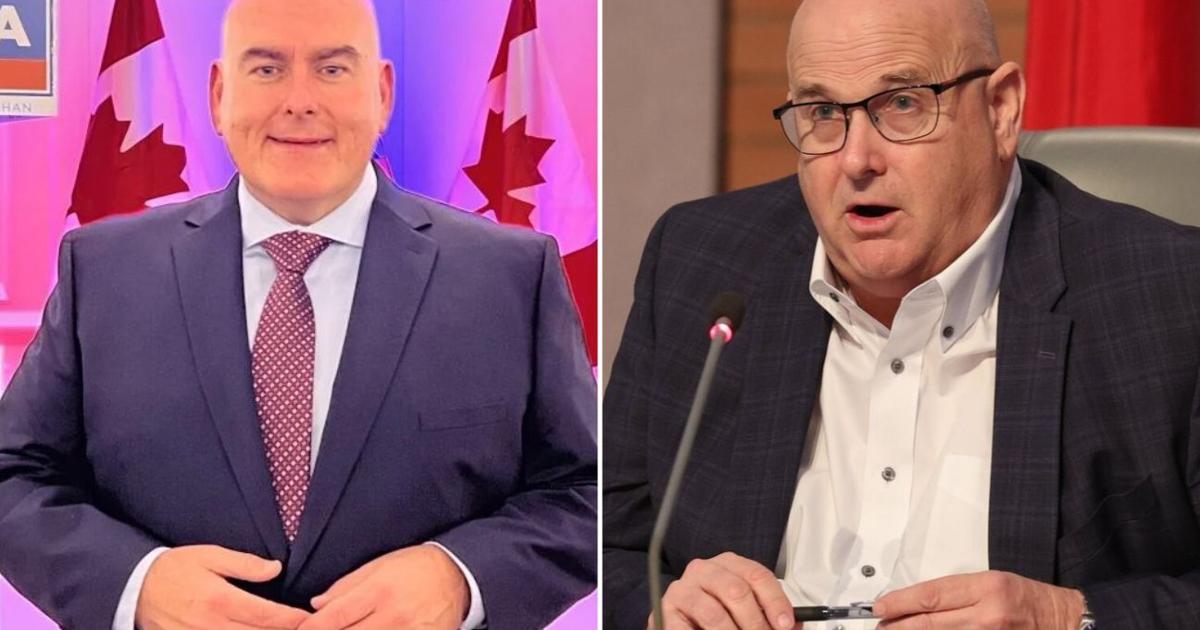
The Ontario government appointed eight regional chairs with power to override councils, sparking conflict with local mayors.
Vaughan Mayor Steven Del Duca, left, and Pickering Mayor Kevin Ashe, right, have been appointed as two of the province’s eight regional council chairs.
The era of the province’s hand-picked “strong chairs” is here, setting the stage for potential power struggles and accusations of bias in decisions that could impact cities and towns around Toronto.
Last week, Municipal Affairs Minister Rob Flack appointed eight regional council chairs, including the surprise choice of two sitting mayors, who will now have the power to override the majority of their councils.
The move, which in some cases replaces a directly elected chair, has been criticized for circumventing local democracy, creating the perception that regional council will simply do the bidding of the province.
“It is completely uncharted territory,” said Lindsay Jones, executive director of the Association of Municipalities of Ontario. While the province began appointing chairs in some regions, including Peel, in 2022, this will be the first term where chairs will have the equivalent of strong-mayor powers.
“In theory these powers were given to be able to advance priorities like housing. In practice there is no kind of restriction and that is not how the powers have been used,” said Jones of how the strong-mayor powers have been used at the municipal level.
The strong-mayor powers the Ford government gave to 216 Ontario mayors are quietly reshaping local democracy. But are they getting more homes built?
