
Why hacking became North Korea’s favourite sport - The Straits Times
Cybercriminals are hard to pin down and hacking has become a huge money-spinner for Pyongyang.
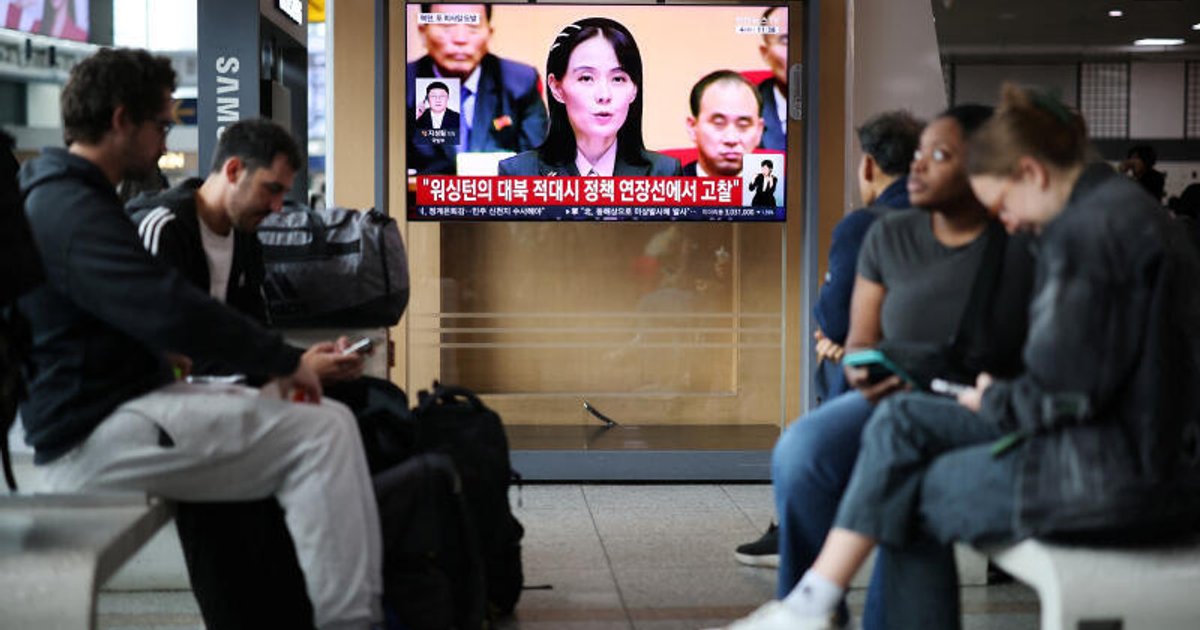
People at a Seoul railway station watching a broadcast of Kim Yo Jong, the sister of North Korean leader Kim Jong Un, denying allegations that Pyongyang hacked Binance.
Last week, hackers stole US$6.3 billion (S$8 billion) from Binance, the world’s largest cryptocurrency exchange, in about 20 minutes. They entered via one engineer’s laptop. The US government blames a North Korean hacking unit known as TraderTraitor. Analysts are calling it the single largest threat ever.
The scale is extraordinary. North Korea’s gross domestic product is about US$34 billion, according to South Korea’s central bank. Its exports in 2025 were around US$470 million. In a single raid, Pyongyang’s hackers took nearly a fifth of the country’s annual income – and 13 years’ worth of its exports. Nearly US$3 billion was frozen within hours, mostly by stablecoin issuers, but over US$3 billion still slipped away – about 10% of North Korean GDP. By TRM Labs’ count, North Korea has stolen US$7.4 billion in crypto in 2026 and US$12.8 billion since 2017. Cybertheft may represent one-third or even half of Pyongyang’s foreign currency.

