Why India and the world must take the 2026 El Nino very seriously
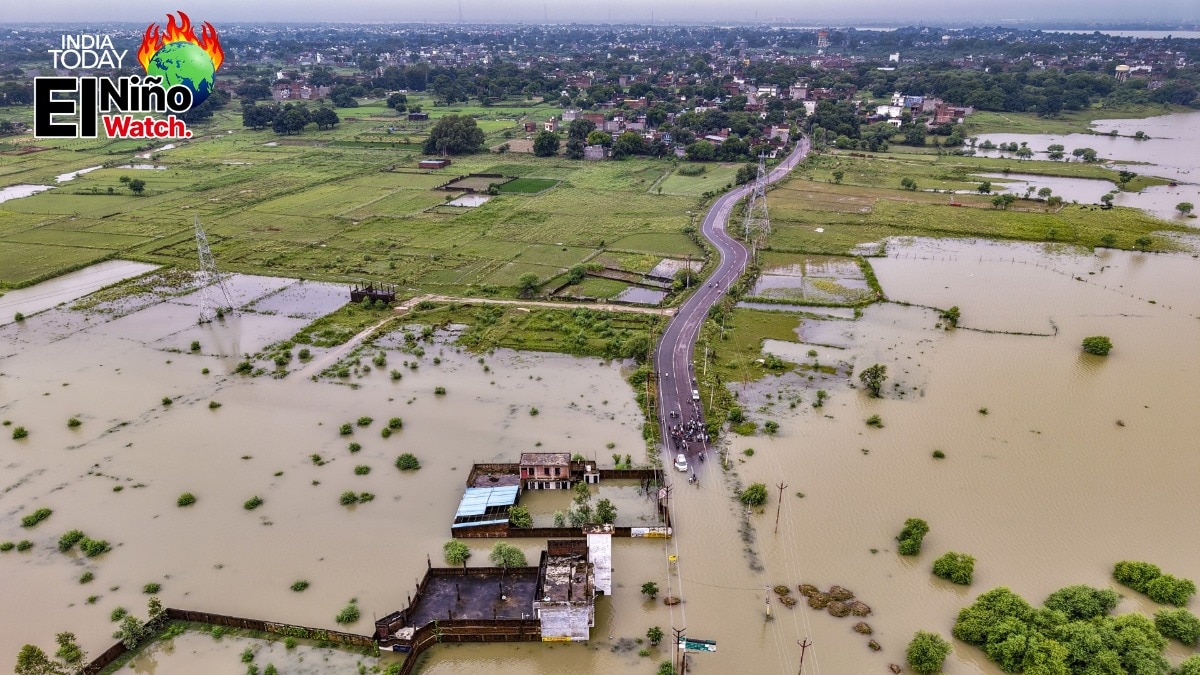
The planet is heading towards a potentially historic climate event, with a rapidly strengthening El Nino in the Pacific Ocean threatening to unleash extreme heat, droughts, floods and food shortages across the world.
India Today Science is beginning a new series, El Nino Watch, to document the effects of El Nino as it heads to become a powerful event that could have rippling effects around the planet.
Forecasters warn that the 2026-27 El Nino could become one of the strongest ever recorded, raising concerns about its impact on an already warming planet.
The World Meteorological Organisation (WMO), in its September update, said El Nino is firmly established and expected to intensify into a very strong event, with an almost 100% likelihood of persisting through February 2027.
The US National Oceanic and Atmospheric Administration (NOAA) has also warned of a potentially historic event. Its September assessment found a greater than 90% chance of a very strong El Nino during the Northern Hemisphere autumn and winter of 2026-27, with sea surface temperatures in parts of the eastern equatorial Pacific already exceeding 3 degrees Celsius above normal.
El Nino is the warm phase of the El Nino-Southern Oscillation (ENSO), a natural climate phenomenon driven by changes in ocean temperatures and atmospheric circulation across the tropical Pacific. But this time, it is developing against a backdrop of exceptionally warm global oceans and rising temperatures.WHY THE 2026 El NINO COULD BE DIFFERENT
The 2026 event has been described as a potential super El Nino, with some forecasts suggesting it could rival or surpass the strongest events in records dating back to 1950. The 1997-98 and 2015-16 episodes are among the most powerful previously observed.
The concern is not just the warming of the Pacific. El Nino releases heat from the ocean into the atmosphere and changes global circulation patterns, raising temperatures across much of the planet.This year's record setting El Nio will impact many different parts of the world, with some experiencing severe drought and others flooding. In a new analysis at The Climate Brink, I explore what impacts happened during past events and which are most likely to occur this year. pic.twitter.com/GfJHCvHW82— Zeke Hausfather (@hausfath) September 28, 2026
Its warming influence often becomes particularly pronounced in the year following its development, putting 2027 at risk of becoming another record-breaking year.
The WMO has warned that above-normal temperatures are likely across almost all land areas during September-November 2026, while rainfall patterns could shift dramatically.INDIA FACES A SERIOUS CLIMATE RISK
For India, the biggest concern is the impact on the southwest monsoon, which delivers more than 70% of the country's annual rainfall and sustains agriculture, drinking water supplies and reservoirs.
El Nino is historically associated with weaker Indian monsoons, although it does not automatically mean drought. The developing event could influence rainfall patterns, particularly if it persists into the 2027 monsoon season.
The 2026 monsoon season has been characterised by uneven, unpredictable and unorganised rain, and India is witnessing a 12% rain deficit as the withdrawal advances. India has received uneven and unpredictable rain during the 2026 monsoon. (Photo: PTI)
The evolving Indian Ocean Dipole (IOD) will also be crucial. A positive IOD can sometimes counter El Nino's influence, while interactions between the two systems could produce uneven rainfall, prolonged dry spells or intense downpours.HEAT, DROUGHT AND FOOD SHORTAGES WORLDWIDE
Across Southeast Asia and Australia, El Nino raises the likelihood of below-normal rainfall, drought and wildfires. Parts of southern Africa could also face water shortages, while East Africa and sections of South America may experience heavier rainfall and flooding.
These contrasting impacts threaten agriculture and food security. Rain-fed crops such as rice and maize are particularly vulnerable to prolonged dry spells, while floods can destroy harvests and infrastructure.
The WMO has stressed that the strength of an El Nino does not translate directly into the severity of impacts everywhere. Regional ocean conditions, atmospheric circulation and preparedness will determine how damaging the event becomes.JUST IN: Bangkok, Thailand declares state of disaster in all 50 of the city's districts amid severe flooding. pic.twitter.com/Q2r46FKcVH— AZ Intel (@AZ_Intel_) September 26, 2026
The central concern is that El Nino is arriving on a planet already experiencing exceptional ocean heat and rising global temperatures. Its additional warming could intensify existing climate extremes, making the coming months critical for governments, farmers and disaster management agencies.
While it is too early to declare 2026-27 the strongest El Nino in recorded history, the combination of exceptionally warm Pacific waters, global heating and potential rainfall disruptions makes it an event the world cannot afford to ignore.
Sibu Tripathi heads the Science team at India Today Digital. A space geek, he writes on Science, Environment, and Health. He is a recipient of the prestigious Ramnath Goenka Excellence in Journalism award and a two-time winner of the WAN-IFRA Digital Media Awards. He has previously covered the Delhi government and written extensively on politics and city governance. Apart from travelling, he likes to cook when he has time and explore new genres of books and films.