Why is South Africa seeing so much halaal food? The facts behind the viral debate - IOL
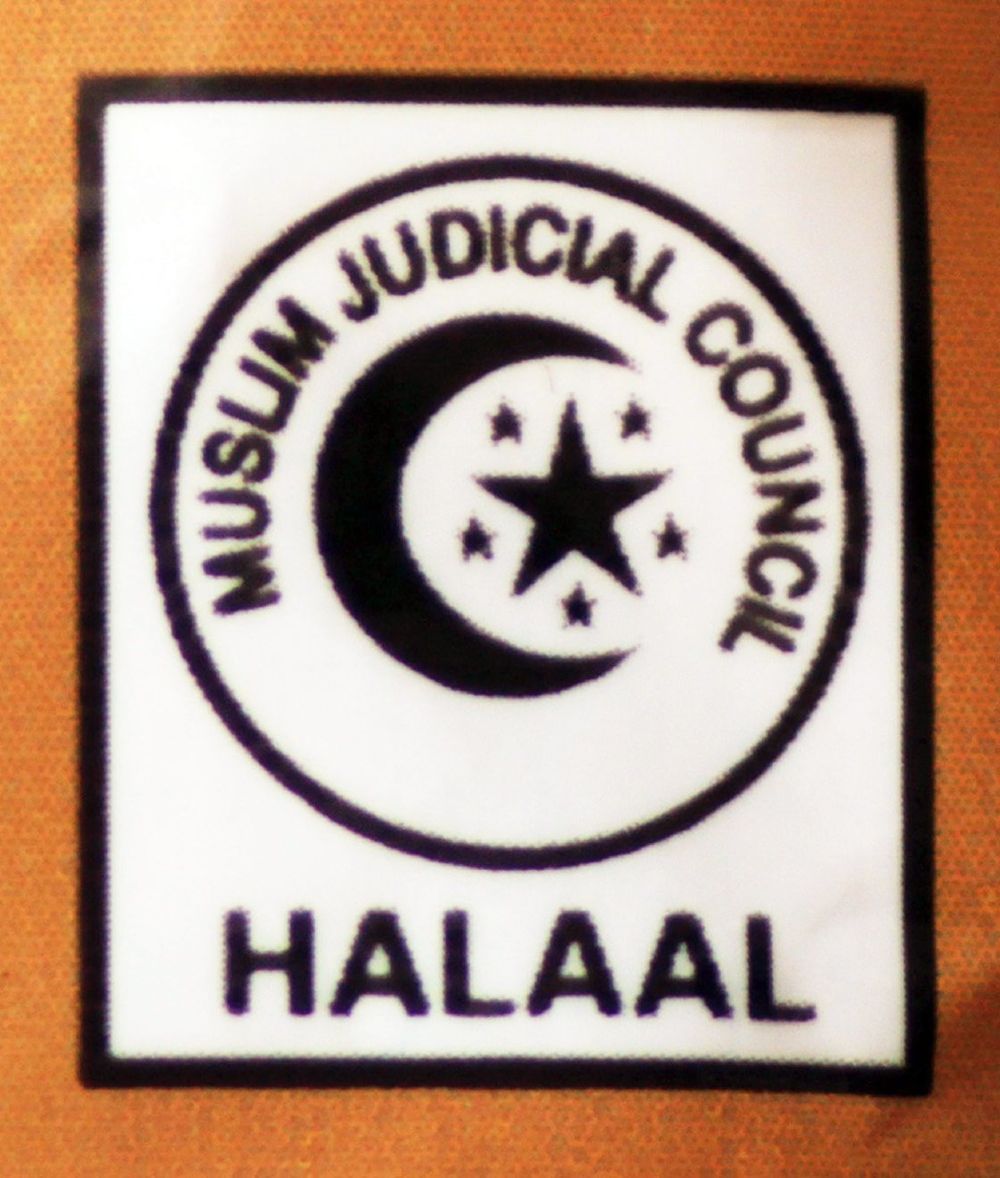
We do a deep dive into what halaal means - and what it doesn't mean.
The topic of 'halaal' food in South Africa is dominating social media and offline discussions after a TikTok video went viral asking, "Why are we being fed halaal food?", claiming that South Africans are being made to eat halaal food.
To answer some of the questions posed in the video (and any other questions that people are too scared of asking), we do a deep dive into what halaal food is - and what it is not.
In the video, TikTok user Sokhana Saliwa comments that "almost everything", including staples and vegetables, is certified halaal.
"My concern is that 97% of people don't believe in Allah; the majority of us worship and see Jesus Christ as God, so my question is why are we being sold and fed food that is being sacrificed to a God we don't believe in? Why is the South African government allowing a Christian nation to eat food that is prepared in ways that we don't believe in?"
She also further observed that restaurants are often certified halaal, adding that they are pandering to a religious minority.
Valid concerns, so let's get into it.
Halaal is an Arabic word meaning permissible or lawful. In Islam, it refers to what is permitted under Islamic law. This includes the food and drink Muslims may consume.
The part that most are familiar with is halaal dietary requirements prohibiting certain foods and ingredients, including pork and its derivatives. Alcohol is also prohibited under Islamic dietary rules, while meat must meet specific requirements relating to its source and slaughter.
The most important aspect of halal food concerns the meat and the process of slaughter. The method of animal slaughter must adhere to specific Islamic guidelines, which involve invoking the name of Allah, which is not the same thing as sacrificing to Allah.
A sharp knife must also be used to cut the animal’s throat, to ensure that the death is as humane and painless as possible. This method is believed to minimise the animal’s suffering.
The slaughtering facility and tools used must adhere to strict hygiene and sanitation standards.
The animal must be healthy at the time of slaughter, with no pre-existing diseases or defects that would render the meat unhealthy or impure.
The blood must be completely drained from the body, as consuming blood is strictly prohibited in Islam.
It is essential to note that halal food extends beyond just meat; it encompasses a wide range of food and beverages, including grains, fruits, vegetables, and processed products.
Halaal certification is to give Muslim consumers assurance that a product, food outlet or production process meets the relevant Islamic dietary requirements.
According to the South African National Halaal Authority (SANHA), certification involves assessing whether products and establishments comply with its halaal standards. Its certification programme includes monitoring and audits.
Certification can apply to individual products, food manufacturing processes, restaurants and other establishments.
It is also worth noting that it is not limited to meat or food prepared in a restaurant, which brings us to our next point.
One of the claims in the viral video is that even basic foods, including vegetables, are certified halaal.
However, the presence of a halaal logo does not mean that a vegetable has been slaughtered or that every product has undergone a religious ritual.
Many basic foods, including the water you drink, are naturally permissible under Islamic dietary rules, almost like a default setting.
The formal certification is a separate process that provides assurance that a product or its production meets the applicable standards.
Certification can also extend to fresh produce and processed plant-based products. The Emirates International Accreditation Centre's directory, for example, lists SANHA's accreditation for the processing of fresh fruit and vegetables.
For manufactured foods, certification may involve examining ingredients, suppliers, production methods and the possibility of cross-contamination with prohibited substances.
Some ingredients used in processed foods may require further assessment because their source or manufacturing process is not immediately apparent to consumers.
This means that a product may be certified to provide assurance to Muslim consumers even when it does not contain meat.
It is also important to distinguish between a food being naturally permissible and a food carrying formal certification. A halaal logo is not necessarily required for every food that is permissible for Muslims to eat.
Another concern raised appears to link halaal certification with the belief that all certified food has been sacrificed to Allah.
Halaal is a broader dietary concept that covers ingredients, products and food preparation. Specific religious requirements apply to meat and its slaughter, but those requirements do not mean that every certified product has been sacrificed or subjected to a religious ceremony.
For instance, vegetables, grains and many other plant-based foods do not require animal slaughter to be produced.
Again, the purpose of certification is to establish whether the product or process meets the applicable halaal requirements.
It has everything to do with peace of mind for Muslim consumers and nothing to do with determining and affecting the religious beliefs of the person who eventually buys or consumes it.
The widespread availability of halaal-certified products does not, in itself, establish that South Africans are being forced to eat them.
Certification bodies such as SANHA and the Muslim Judicial Council Halaal Trust provide certification and monitoring services for businesses that want to demonstrate compliance with halaal requirements.
Businesses may seek certification to serve Muslim customers, meet market requirements or make their products available to consumers who require halaal assurance.
It is also worth noting that the existence of a certification logo should not be confused with a government instruction that all consumers must eat the product.
Consumers who do not require halaal certification can make their own choices about what they purchase and eat, subject to the products available to them.
Restaurants may seek halaal certification to assure Muslim customers that their food meets the relevant dietary requirements.
The certification process can extend beyond checking whether a menu contains pork or alcohol.
Depending on the certification scheme and the scope of certification, it can also involve assessing ingredients, suppliers, food preparation and measures to prevent contact with prohibited products.
The Muslim Judicial Council Halaal Trust lists food outlets, including restaurants and cafes, among the categories it certifies and monitors.
For a restaurant, certification can make it easier for Muslim customers to decide where they can eat with confidence.
It can also be a business decision to reach a wider customer base. The presence of a halaal certificate does not, on its own, mean that a restaurant is attempting to impose Islamic religious practices on customers who do not follow the faith.
Whether a particular restaurant serves only halaal food, or has separate arrangements for different products, depends on its actual practices and certification.