
Woman Goes for Pregnancy Scan. What Doctors Find Next Changes Everything - Newsweek
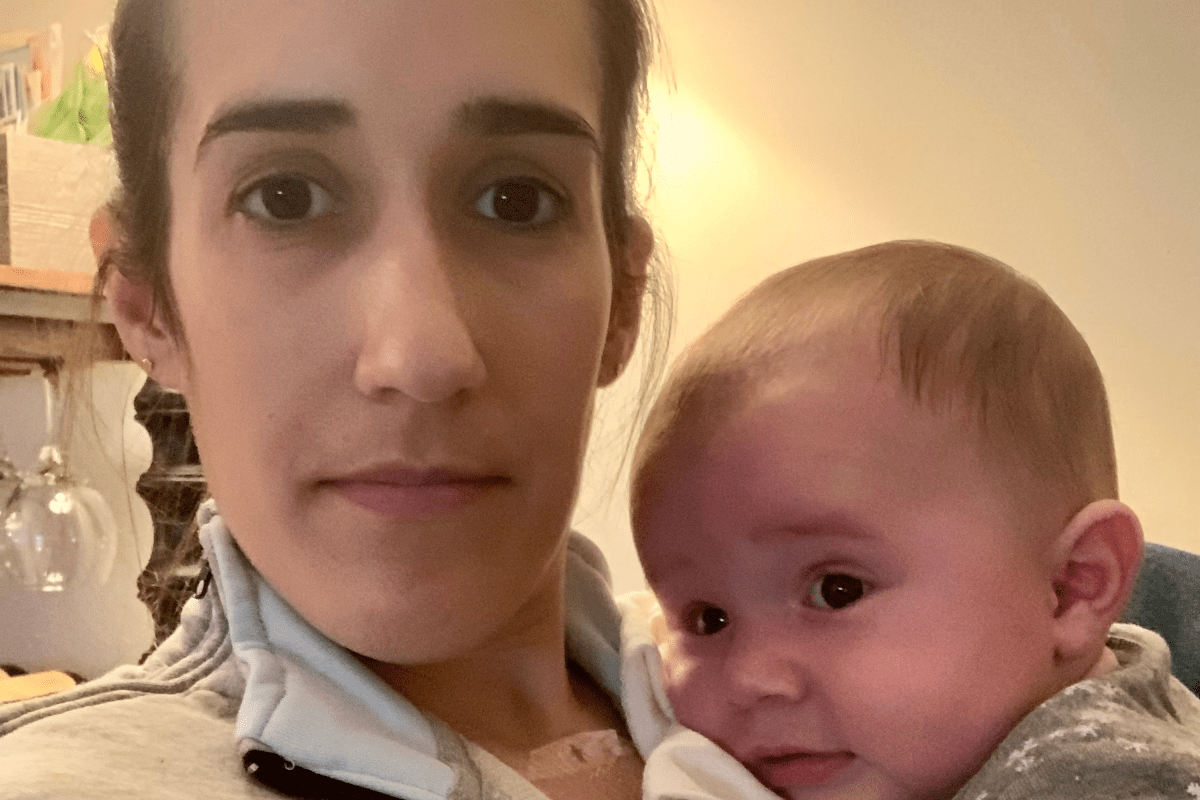
A mom from California is celebrating five years of No Evidence of Disease (NED) after being diagnosed with Stage 4 colon cancer when she was 31 weeks pregnant.
Amanda Webb, who was 36 at the time, was diagnosed after a routine prenatal scan suggested her baby might have trisomy 13, a severe chromosome condition.
Follow-up testing showed her baby was healthy, raising concerns that something else could have been behind the initial screening result.
Because false positives can occasionally be linked to cancer cells in the mother's blood and Webb had a history of melanoma, doctors took a closer look at her health.
"At that point, it became very real [that] something was going on," she told Newsweek. "I did a colonoscopy, a liver biopsy, a CT scan despite being pregnant, countless ultrasounds. I kind of knew at that point we were grappling with the big C—cancer—in some shape or form."
It was Webb's oncologist who delivered the devastating news: She had Stage 4 colon cancer.
"I was just shocked," Webb said. "It was my husband's birthday. He was on the phone and came rushing to the hospital to be with me. I remember a high-risk OB nurse taking me to the garden and just holding me while I scream-cried."
Instead of planning for their baby's arrival, Webb and her husband, Jon, were facing a terrifying future.
Suddenly, to Webb, the "woes of pregnancy" felt insignificant. She removed the pregnancy apps from her phone, and conversations with other moms became fewer and farther between.
"I was going through something different, and I just didn't feel like I could relate anymore," she said.
Webb remembers a bleak conversation she had with an oncology fellow after receiving the diagnosis.
"I looked at him, and I said, 'Am I going to beat this?' He didn't answer," Webb said. "I don't think I wanted the answer. I didn't know the survival rates for Stage 4 colon cancer then, but I know them now."
According to the American Cancer Society, the five-year relative survival rate for colon cancer that has spread to distant parts of the body is 13 percent, though outcomes vary widely depending on the extent of the disease and how it responds to treatment, such as chemotherapy.
Webb started chemo the week after her diagnosis. The first three rounds were inpatient so her team could monitor the baby.
At that point, Webb refused to Google the diagnosis. "I thought, I don't want to be considered a statistic," she said. "This is my journey. I was healthy, minus the cancer."
Looking back, Webb had noticed some symptoms of colon cancer before her diagnosis but chalked them up to age and having a sensitive digestive system.
As a runner, she also guessed she had a high metabolism.
Common symptoms of colon cancer include changes in bowel habits, blood in the stool, persistent abdominal pain, unexplained weight loss and fatigue.
"I really thought [colon cancer] was only something that older people could get," Webb said.
Despite feeling comfortable in the hospital while undergoing treatment, Webb was battling fears no mother should have to go through.
"It was difficult to have people make comments and say, 'You're bringing this healthy baby into the world.' I thought, I want to be there for it, but I didn't have the confidence that I would be."
Webb gave birth to a baby boy named Levi via C-section and resumed chemotherapy after a two-week break.
A support network stepped in to help the new parents, particularly Webb—who was balancing early postpartum and treatment.
Friends took Levi for playdates, while Webb's mom flew from the Midwest to help out.
Now 41, Webb is celebrating five years of NED, meaning doctors can no longer detect cancer in her body.
She also gets to watch Levi start kindergarten, a milestone she once feared she'd never see.
Now in survivorship, Webb is focused on monitoring for recurrence and finding ways to move forward after cancer treatment.
She uses Signatera, a personalized blood test that can pick up microscopic amounts of tumor DNA months in advance of imaging.
"It's become part of my routine in surveillance," Webb said. "It's nice to know that if something comes up in that test ... we can catch it early."
Above all, Webb hopes her story encourages others to not shy away from talking openly about colon cancer.
"No one wants to talk about these symptoms—it's the poop cancer," she said. "You need to get yourself a colonoscopy and advocate for that. It's one of the only cancer screenings that can prevent cancer. It's easy in comparison to treatment."
Contact Newsweek editors on this story: Kara Dolman and Shakeema Edwards.


