Women prisoners face healthcare, legal hurdles
Direct Source Verification:
This story is aggregated from The Express Tribune (tribune.com.pk). Full reporting rights and copyright belong to the primary publisher.
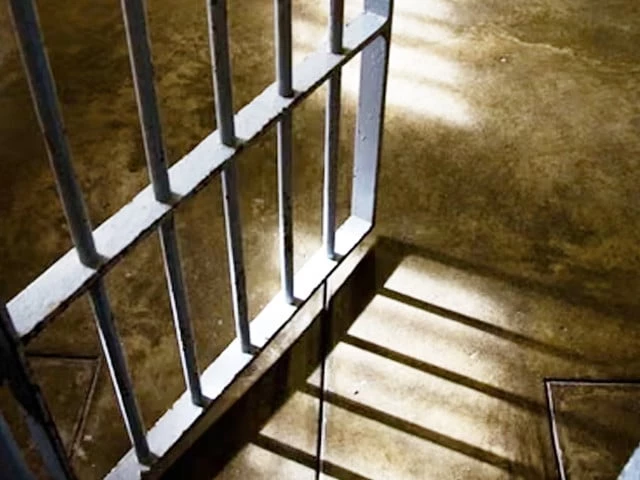
Female inmates struggle with physical and mental health, delayed trials, lack of legal aid and basic facilities
For Nazneen*, prison is no longer just a place behind locked doors - it is where seven months of an ordinary family life have quietly disappeared. Facing a drug-related case, she has watched the familiar world of home give way to concrete walls, uncertainty and the daily struggle of raising her child without the life she once knew.
The loss of freedom, she says, is only the beginning. With no normal home environment, limited schooling for her child and no clear idea of what awaits them after release, the uncertainty has become a source of constant psychological distress.
"For women, prison itself becomes a source of psychological pressure," she said, describing a life marked by prolonged mental stress, illness and a lack of basic facilities. More than 50 women prisoners are currently held at Peshawar Central Prison, many caught in a system where legal assistance, healthcare, education and rehabilitation remain difficult to access.
For some, the uncertainty is compounded by serious illness. Peshawar High Court lawyer Mahwish Mohib Kakakhel revealed that an HIV-positive female inmate in her late 30s was currently being held at the prison, raising concerns over her access to medical treatment, hygiene and proper supervision.
"Some women have remained behind bars for years, waiting for trials, bail or other legal remedies. A significant number are facing drug-related and murder cases. The absence of a dedicated rehabilitation centre for women prisoners means there is little structured support for psychological recovery, education, vocational training or preparation for life after release," noted Kakakhel.
Social activist Dr Khurshid Bano, who has worked for around three decades on women's rights, noted that the procedures for meeting women prisoners were complicated and inmates continued to face harassment and vulnerability.
"Women prisoners should not be viewed solely as people serving sentences but as individuals entitled to healthcare, psychological support, education, social rehabilitation and basic human rights," she emphasised.
The concerns facing women prisoners point to a wider problem inside K-P's prison system, where inmates have reported difficulties accessing specialist doctors, diagnostic facilities and timely treatment.
A writ petition before the Peshawar High Court has also raised the reported deaths of two prisoners, Fazal Rehman and Zahir Shah, at Peshawar Central Prison.
Fazal Khan, a prisoner in a drug-related case, said two inmates known to him had suffered from gallbladder and cardiac complications but faced delays in receiving treatment. One prisoner, unable to afford private care, continued taking routine medicines until his condition deteriorated and he died.
Another inmate, who has spent around 12 years behind bars, said a serious back problem eventually forced him to spend around Rs200,000 on a private operation. "If you do not have money, even getting proper treatment can become extremely difficult inside prison," he said.
Lawyer Shabbir Hussain Gigiani, who filed the petition, has sought specialist doctors from nearby government hospitals to hold regular clinics in prisons, along with diagnostic facilities, medicines and dedicated medico-legal wards for prisoners requiring treatment.
On the other hand, prison authorities reject claims of inadequate medical care, saying routine check-ups, medical staff and camps are available, while the government claims it is working on a telemedicine system. But prisoners say survival inside prison should not mean putting life on hold.
Owais Khan, incarcerated at Peshawar Central Prison, hoped that prisons could provide education and vocational training rather than merely confine inmates.
Rights advocates believe K-P needs a comprehensive rehabilitation framework for women covering healthcare, mental health, legal aid, education and support for reintegration after release.
Because for women like Nazneen, the prison walls may eventually open. The harder question is what remains waiting for them and their children - on the other side.
*Name has been changed to protect identity.
Original Source
https://tribune.com.pk/story/2633032/women-prisoners-face-healthcare-legal-hurdles